
What is mastitis?
Mastitis is inflammation of the breast tissue, which causes a painful, hot, red or swollen area and sometimes a fever; it may or may not involve infection.
Mastitis is most common in the first weeks and months of breastfeeding, when it is called lactational mastitis. It can also happen in women who are not breastfeeding, and occasionally in men. Doctors now see mastitis as a spectrum: it often starts with swelling and inflammation of the milk-producing tissue, which can progress to a bacterial infection and, in a small number of cases, to a collection of pus called a breast abscess.
The main types are:
- Lactational mastitis — linked to breastfeeding or expressing milk.
- Non-lactational mastitis — inflammation or infection in a breast that is not producing milk.
- Periductal mastitis — inflammation of the milk ducts behind the nipple, strongly linked to smoking.
- Idiopathic granulomatous mastitis — a rare, long-lasting inflammatory condition of unknown cause.
Most cases settle quickly with the right care. A red, painful breast is usually benign, but redness that does not improve needs to be checked, because a rare form of breast cancer can look similar.
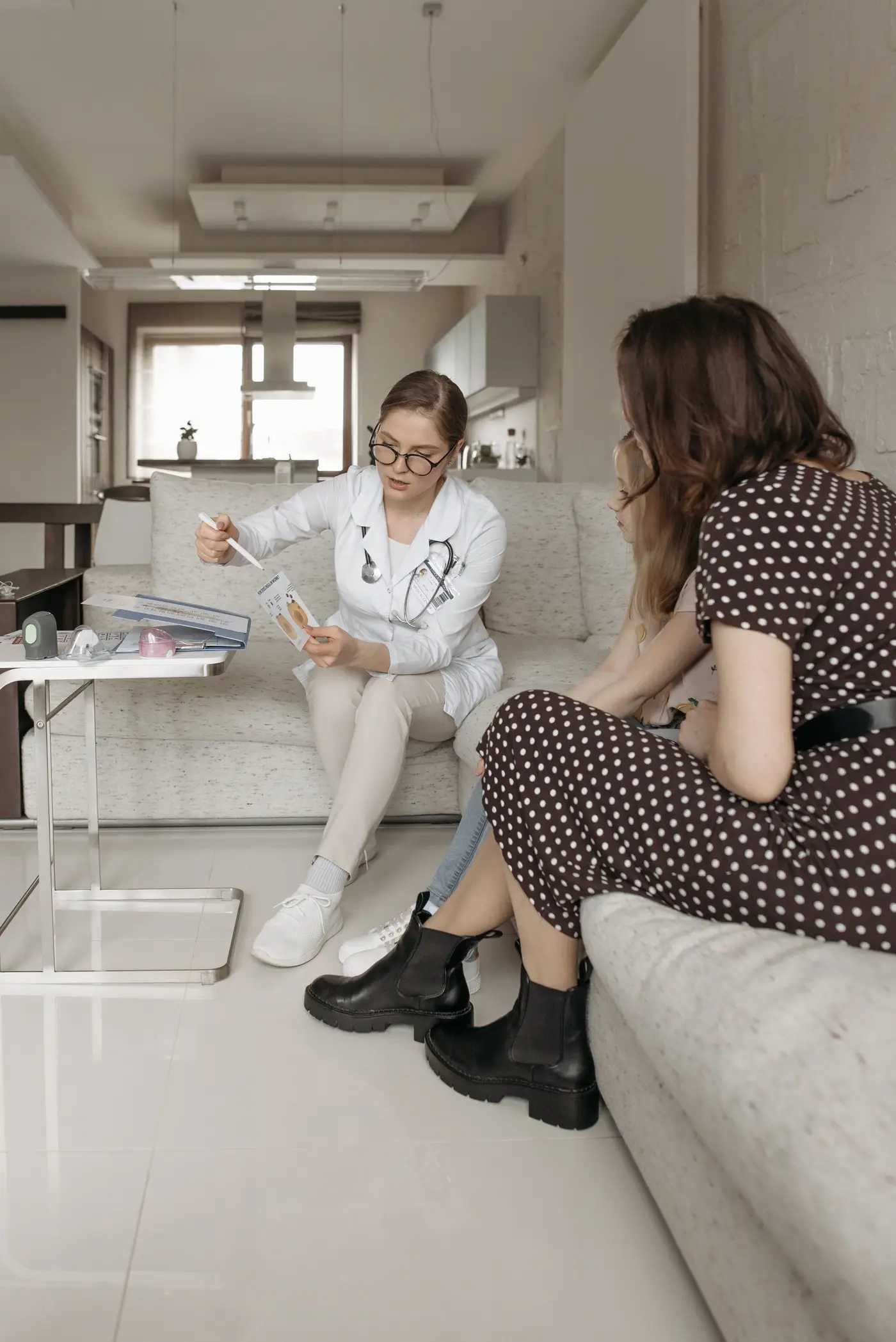
What are the symptoms of mastitis?
The typical symptoms of mastitis are a painful, swollen, warm and red (or darker, on brown and black skin) wedge-shaped area of the breast, often with flu-like symptoms such as fever, chills and aching.
Symptoms usually affect one breast and can develop quickly, sometimes within hours. You may notice:
- A tender, firm or swollen area, often in the upper outer part of the breast.
- Skin that is red, pink or discoloured; on darker skin, redness may be harder to see, and the area may look darker or feel hotter than the rest.
- A burning pain, which may be constant or felt mainly while feeding.
- A temperature of 38°C or above, shivering, tiredness and feeling generally unwell.
- In non-lactational mastitis: pain behind the nipple, nipple discharge or a newly pulled-in nipple.
A lump that feels fluctuant (squashy, as if filled with fluid), a tender swelling that persists despite antibiotics, or skin that becomes shiny and tight can point to an abscess. For other causes of breast tenderness, see our guide to breast pain.

How is mastitis treated while breastfeeding?
Current guidance for lactational mastitis is to keep feeding normally from both breasts, avoid over-pumping or emptying the breast “extra”, use cold compresses and anti-inflammatory pain relief, and take antibiotics if symptoms do not improve or you feel very unwell.
Advice has changed in recent years. Earlier recommendations to massage hard, apply heat and empty the breast completely after every feed are now thought to make inflammation and swelling worse in many women. The approach most guidelines now favour is gentler:
- Keep breastfeeding. Feed your baby as usual, responding to their cues. Breast milk from the affected side is safe for a healthy, full-term baby.
- Do not over-pump. Expressing large extra amounts signals the breast to make more milk, which can keep the cycle of swelling going. Express only for comfort or if the baby is not feeding.
- Cool, not hot. Cold packs wrapped in a cloth for 10–20 minutes between feeds can ease swelling and pain.
- Gentle touch only. Very light, sweeping strokes towards the armpit (lymphatic drainage) may help; deep massage of lumps is not recommended.
- Pain relief. Ibuprofen and paracetamol are usually considered compatible with breastfeeding at standard doses; check with a pharmacist or doctor.
- Rest, fluids and a well-fitting, supportive bra without tight underwires.
Antibiotics are usually advised if symptoms are not improving within about 12–24 hours, if you have a high fever or feel very unwell, or if there is a cracked, infected nipple. Your doctor will choose one that is safe while breastfeeding, and it is important to finish the course. A milk sample may be sent to the laboratory if mastitis keeps coming back or does not respond.
Many mastitis episodes begin with latch problems, nipple damage or oversupply, so help with positioning from a midwife or lactation consultant is often as important as the medicine.
If you have had breast surgery and are breastfeeding, mastitis is treated in the same way. You can read more in our guide to breastfeeding after breast surgery.
What causes mastitis when you are not breastfeeding?
Mastitis outside breastfeeding is most often caused by inflammation of the milk ducts behind the nipple (periductal mastitis), skin infections, nipple piercings, or, rarely, a long-lasting inflammatory condition such as granulomatous mastitis.
Non-lactational mastitis is less common than the breastfeeding type, but it tends to be more stubborn and more likely to recur or form an abscess. Things that increase the risk include:
- Smoking, which is the strongest known risk factor.
- Nipple piercings, which can let bacteria into the ducts.
- An inverted nipple, where trapped secretions can become inflamed.
- Diabetes and a weakened immune system.
- Skin conditions, infected hair follicles or cysts in the skin of the breast or under the breast fold.
Because non-lactational mastitis is less typical, doctors are more likely to arrange a breast ultrasound and, if a lump or abnormal area remains after treatment, further tests to make sure nothing else is going on. Our page on nipple discharge explains other duct-related problems.
What is periductal mastitis and why is it linked to smoking?
Periductal mastitis is inflammation and infection of the milk ducts just behind the nipple, and it is closely linked to smoking, which is thought to damage the duct walls and allow bacteria to take hold.
It mainly affects women in their 30s and 40s who smoke, and it can also occur in men. Typical features are pain and redness around the areola, a tender lump behind the nipple, a thick or coloured nipple discharge and sometimes a newly inverted nipple.
Periductal mastitis is usually treated with antibiotics that cover both common skin bacteria and the bacteria that grow without oxygen. An abscess is drained, often by needle. Some women develop a mammary duct fistula: a small tunnel between a duct and the skin at the edge of the areola that keeps leaking or re-infecting. This may need a planned operation by a breast surgeon to remove the affected ducts.
Stopping smoking is the single most effective step to reduce the chance of the problem coming back, and it also lowers the risk of wound problems if surgery is needed. Ask your doctor about stop-smoking support; recurrence is common in people who continue to smoke.

What is idiopathic granulomatous mastitis?
Idiopathic granulomatous mastitis is a rare, benign, long-lasting inflammatory condition of the breast with no clear cause, usually affecting women of childbearing age within a few years of pregnancy and breastfeeding.
It often appears as a firm, painful lump with redness, sometimes with several small abscesses, skin ulcers or draining sinuses. Because it can look like an infection or even a tumour on examination and imaging, the diagnosis is made with a core needle biopsy, which shows a particular pattern of inflammation called granulomas, together with tests to exclude tuberculosis and other infections.
Treatment is decided by a breast specialist and may include watchful waiting, steroid tablets or injections, other medicines that calm the immune system, and drainage of abscesses. Surgery is used more selectively today. The condition can take many months to settle and may recur, but it is not cancer and does not turn into cancer.

What is a breast abscess and how is it treated?
A breast abscess is a collection of pus inside the breast, usually a complication of mastitis, and it is treated by draining the pus, most often with a needle or small tube guided by ultrasound, together with antibiotics.
An abscess is suspected when there is a painful, swollen lump that does not settle with antibiotics, or when fever and redness continue. A breast ultrasound is the key test: it shows whether there is a fluid collection, how large it is and where it lies.
Treatment usually involves:
- Ultrasound-guided needle aspiration. A fine needle is passed into the collection under local anaesthetic and the pus is drawn off. This may need to be repeated every few days until the cavity has gone.
- A small drain or incision. Larger or multi-chambered abscesses, or ones close to the skin, may need a small cut or a thin tube left in place for a short time.
- Surgical drainage under anaesthetic is now needed less often but is still used for large or complicated abscesses.
- Antibiotics, guided by a sample of the pus sent to the laboratory.
Most women who are breastfeeding can continue to feed from the affected side during treatment, as long as the drain or wound is away from the baby’s mouth; otherwise milk can be expressed from that side until it heals. Needle drainage usually leaves only a tiny mark. Once the infection has settled, the breast specialist may recommend a follow-up scan, particularly in women over about 35 or when the abscess was not related to breastfeeding, to confirm that the area has returned to normal.
Could a red, swollen breast be inflammatory breast cancer?
Rarely, yes: inflammatory breast cancer can cause redness, swelling and warmth that look like mastitis, so a red breast that does not clearly improve within about a week of treatment, or that appears without breastfeeding or fever, should be checked promptly by a breast specialist.
Inflammatory breast cancer is an uncommon but fast-growing type of breast cancer in which cancer cells block the lymph channels in the skin. It usually does not form a distinct lump. Features that make doctors think of it include:
- Redness or discolouration covering a large part of the breast, often a third or more.
- Thickened, pitted skin that looks like orange peel (peau d’orange).
- A breast that becomes larger, heavier or firmer over days or weeks.
- A flattened or pulled-in nipple, and swollen lymph nodes in the armpit.
- Little or no fever, and no response to antibiotics.
| Mastitis | Inflammatory breast cancer | |
|---|---|---|
| Who | Often breastfeeding women; smokers (periductal) | Any adult woman; not linked to breastfeeding |
| Fever | Common | Usually absent |
| Onset | Hours to a day or two | Days to weeks, steadily worsening |
| Response to treatment | Usually improves within 48–72 hours | Does not settle with antibiotics |
| Test needed | Clinical diagnosis; ultrasound if a lump | Mammogram, ultrasound and skin/core biopsy |
This is not a reason to panic: the vast majority of red, painful breasts are caused by mastitis. It is a reason not to keep repeating antibiotics without a review. If you are unsure, ask for a referral to a breast clinic. Our pages on breast cancer symptoms and how breast cancer is diagnosed explain the tests involved.
What if infection develops after breast surgery or around an implant?
Infection after breast surgery usually shows as increasing redness, warmth, swelling, wound discharge or fever in the first few weeks, and it should be reported to your surgical team the same day, especially if you have a breast implant.
Wound infections after breast operations such as reduction, lift or reconstruction are uncommon and are often superficial, settling with antibiotics and wound care. Risk is higher in people who smoke, have diabetes, a high body mass index, or have had radiotherapy to the breast.
When an implant or tissue expander is present, infection needs particular care because bacteria can settle on the implant surface. Depending on how early it is found and how severe it is, treatment may include:
- Antibiotics, sometimes given through a drip, with close monitoring.
- Washing out the implant pocket and exchanging the implant.
- Removing the implant for a period of several months to let the tissues heal, with replacement planned later.
Late infection around an implant, months or years after surgery, is rare but can follow another infection elsewhere in the body or a dental or surgical procedure. Low-grade bacterial colonisation of the implant is also thought to be one factor in capsular contracture. A new, persistent swelling around an implant should always be assessed with an ultrasound, because a fluid collection (seroma) can have several causes. Options for replacing or removing implants are explained in breast implant removal and exchange.
Lactational mastitis in a woman with implants is treated as usual, but it is sensible to let your plastic surgeon know, and to seek a review quickly if symptoms do not improve.
- Implant
- Pectoralis muscle
- Ribs
- Muscle cover
When should you see a doctor or seek urgent care for a red, painful breast?
See a doctor the same day if breast redness and pain come with a fever or you feel unwell, if symptoms are not improving within 24 hours of self-care, or if you have a lump that does not go away; seek urgent care for signs of sepsis.
Go to an emergency department or call emergency services if you have:
- A very high temperature, shivering, confusion, a fast heartbeat or fast breathing, or feel severely unwell.
- Rapidly spreading redness, skin that becomes dusky, blistered or broken, or severe pain.
- A red, hot breast after recent breast surgery or with an implant, together with fever.
Arrange a prompt appointment (within days) for:
- Redness that has not cleared after a full course of antibiotics, or keeps coming back in the same place.
- A lump that remains after the inflammation has settled.
- Redness, swelling or orange-peel skin without fever and without breastfeeding.
- Mastitis that is not related to breastfeeding, especially if you smoke or have a new inverted nipple.
How you access care depends on where you live. In the UK, start with your GP, midwife or health visitor, or NHS 111 out of hours. In Germany, breastfeeding mothers usually contact their Hebamme (midwife) or Frauenarzt/Gynäkologe, who can refer to a certified Brustzentrum (breast centre) for ultrasound and drainage. In Bulgaria, your общопрактикуващ лекар (GP) or obstetrician-gynaecologist can examine you and refer you to a mammology specialist or hospital breast service. In Türkiye, a family doctor, obstetrician or general surgery breast clinic is the usual first step.
Remember that most breast infections are benign and settle well. Persistent changes, however, deserve a scan. Read more about other benign breast lumps.

Getting an opinion from Germany, Bulgaria or the UK
For mastitis, a breast abscess or any red, painful breast, assessment by your own doctor, midwife or local breast clinic always comes first, because infection needs to be treated quickly and close to home. If you live in Germany or Bulgaria (or the UK) and have had breast surgery or have implants, and you are worried about infection, a wound problem or a change around an implant after treatment, you can share your reports, scans and photographs online for an opinion from Dr. Fatih Kılıç on the plastic surgery aspects, such as implant exchange or later revision. Istanbul is about 1 hour 15 minutes by air from Sofia and about 3 hours from major German airports, and after any consultation you receive a written summary to share with your doctor at home. See international patients or contact us.

Frequently asked questions
Can I keep breastfeeding with mastitis?
Yes. Continuing to breastfeed from both breasts is recommended and is safe for a healthy, full-term baby. Feed as usual rather than pumping extra milk, and use cold compresses and pain relief between feeds.
Should I use heat or ice for mastitis?
Current guidance favours cold compresses, applied wrapped in a cloth for 10–20 minutes between feeds, because heat can increase swelling. A brief warm shower before a feed is acceptable if it helps milk flow, but prolonged heat is no longer recommended.
Do I always need antibiotics for mastitis?
Not always. Early lactational mastitis often settles within a day with feeding as normal, rest, cold packs and anti-inflammatory pain relief. Antibiotics are advised if symptoms are not improving within about 12–24 hours, if you have a high fever or feel very unwell, or if a nipple is cracked and infected.
How long does mastitis take to go away?
With appropriate treatment, most women feel better within 48–72 hours, although tenderness or a small firm area can take a week or more to settle completely. If redness or a lump persists after a full course of antibiotics, a breast ultrasound is needed.
What does a breast abscess feel like?
A breast abscess usually feels like a painful, swollen and often squashy lump, with red or discoloured skin over it. It may come with fever and does not improve with antibiotics alone. An ultrasound confirms whether there is a collection of pus.
How is a breast abscess drained?
Most breast abscesses are drained with a needle under ultrasound guidance and local anaesthetic, sometimes repeated over several days. Larger or complicated abscesses may need a small incision, a temporary drain or, less often, an operation. Antibiotics are given alongside drainage.
Can you get mastitis if you are not breastfeeding?
Yes. Non-lactational mastitis can affect women who are not breastfeeding and occasionally men. It is often related to inflammation of the ducts behind the nipple, smoking, nipple piercings or skin infections, and it is more likely to recur than mastitis during breastfeeding.
Why does smoking cause mastitis?
Smoking is thought to damage the walls of the milk ducts behind the nipple, making them prone to inflammation and infection. Smokers are much more likely to develop periductal mastitis, abscesses and duct fistulas, and the condition is more likely to return if smoking continues.
Can mastitis be breast cancer?
Mastitis itself is not cancer and does not cause cancer. However, a rare type called inflammatory breast cancer can cause redness and swelling that look similar. If redness does not settle with treatment within about a week, or appears without breastfeeding or fever, ask for a prompt breast clinic assessment.
Can I get mastitis with breast implants?
Yes, mastitis can occur in women with implants, especially while breastfeeding, and it is treated in the usual way. Tell your surgeon and seek a review quickly if symptoms do not improve, because infection that spreads to the implant pocket needs specialist care.
What is granulomatous mastitis?
Idiopathic granulomatous mastitis is a rare, benign inflammatory condition that causes painful lumps, abscesses and sometimes skin openings, usually in women who have had a baby in recent years. It is diagnosed by biopsy and treated by a breast specialist, often with steroids or other immune-calming medicines.

Medically reviewed by Dr. Fatih Kılıç, Plastic, Reconstructive and Aesthetic Surgeon. This page is for general information and does not replace an individual consultation.