
What is breast implant illness?
Breast implant illness (BII) is the name patients and doctors use for a wide range of symptoms that some women experience and attribute to their breast implants; it is not a formal medical diagnosis and there is no test that confirms it.
The term grew out of patient communities and social media rather than from a defined disease. Women who describe BII have implants of every kind — silicone gel and saline-filled, smooth and textured, placed for cosmetic breast augmentation or for reconstruction after breast cancer. Some also use the terms “systemic symptoms associated with breast implants” or “autoimmune/inflammatory syndrome induced by adjuvants” (ASIA), a broader and debated concept.
Because there is no agreed definition, it is hard to say how common BII is. What is clear is that the symptoms are real to the women experiencing them and deserve a careful, respectful medical assessment rather than dismissal.
Breast implant illness is different from BIA-ALCL, a rare lymphoma linked mainly to textured implants. If you have new swelling or a lump near an implant, read our page on BIA-ALCL and see your doctor.
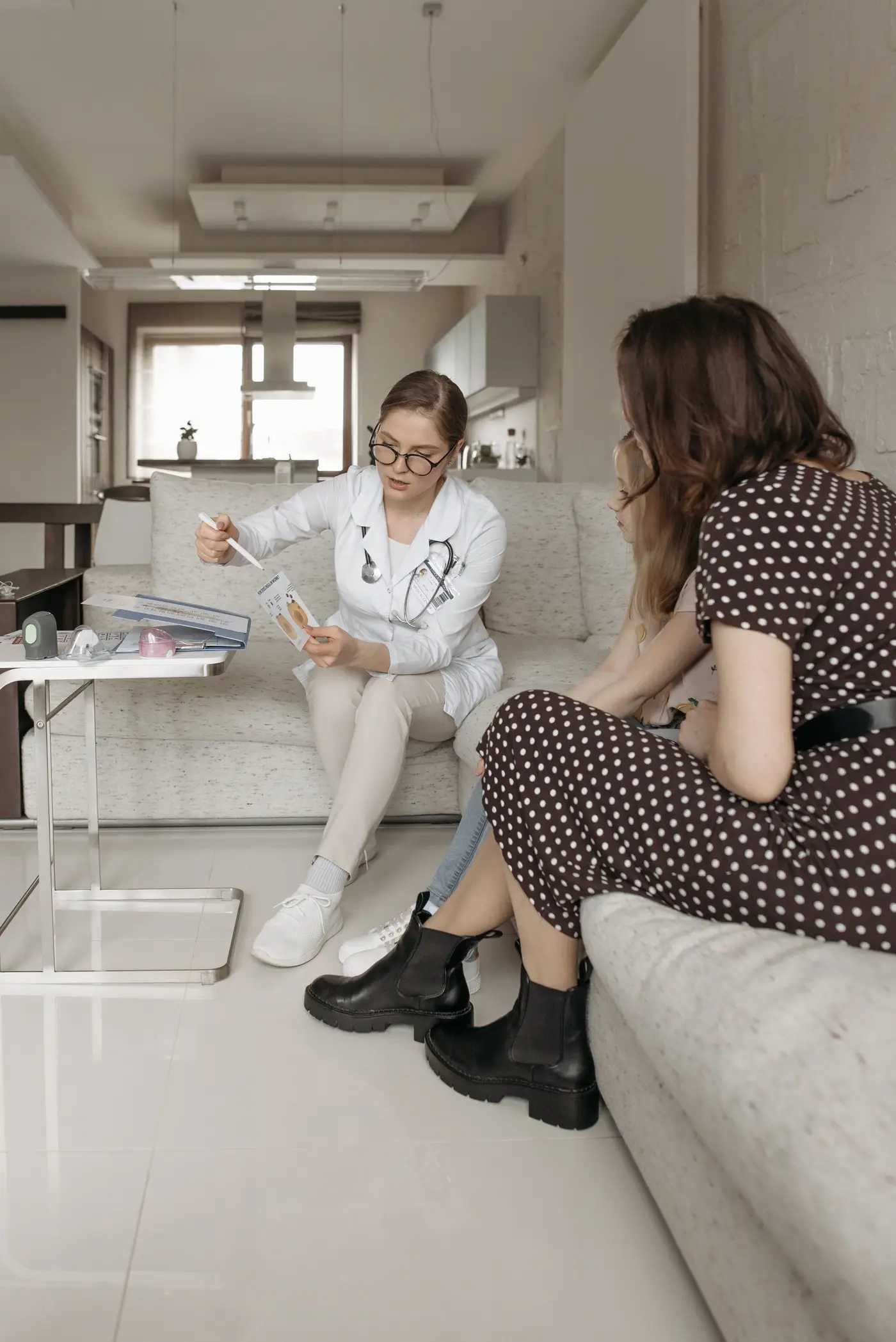
What are the symptoms of breast implant illness?
The symptoms most often reported are fatigue, joint and muscle pain, “brain fog” with poor concentration or memory, sleep problems, headaches, hair loss and skin rashes.
Reported symptoms vary widely from person to person and can include:
- Persistent tiredness or exhaustion that rest does not relieve.
- Aching joints, muscle pain or stiffness.
- Difficulty concentrating, memory lapses or a foggy feeling.
- Poor sleep, anxiety or low mood.
- Headaches, dizziness or a racing heart.
- Hair thinning, dry skin, rashes or itching.
- Dry eyes or mouth, chills or a feeling of low-grade fever.
- Digestive symptoms, food sensitivities or weight changes.
- Pain, tingling or numbness in the chest, arms or hands.
Symptoms may begin soon after surgery or many years later, and they often come and go. None of these symptoms is specific to implants: each one is also common in women without implants and can be caused by many other conditions. That overlap is exactly why proper medical assessment matters.

Is breast implant illness real? What does the evidence say?
The symptoms are real, but current research has not proven that breast implants cause them; regulators acknowledge the reports and research is ongoing.
The positions of the main regulators and professional societies are broadly similar:
- The US Food and Drug Administration (FDA) recognises that some women report systemic symptoms they link to implants. Since 2021 implant labelling in the US has included a boxed warning and a patient decision checklist that mention these symptoms alongside other risks.
- The UK Medicines and Healthcare products Regulatory Agency (MHRA) monitors reports of symptoms in women with implants and encourages patients and clinicians to report problems through its Yellow Card scheme.
- Germany’s Federal Institute for Drugs and Medical Devices (BfArM) collects incident reports on medical devices, and breast implants are among the products covered by the national implant register (Implantateregister Deutschland), which is designed to improve long-term safety tracking.
- Plastic surgery societies such as the American Society of Plastic Surgeons (ASPS) and the International Society of Aesthetic Plastic Surgery (ISAPS) state that BII is not an established diagnosis, that a cause has not been identified, and that patients who are concerned should be listened to and offered informed choices, including removal.
Large studies looking for a link between silicone implants and specific autoimmune or connective tissue diseases have given mixed and often reassuring results, and no consistent biological marker has been found. Some observational studies report that many women feel better after implant removal, but these studies are not able to separate the effect of removal from other factors, such as expectation, time, and treatment of other conditions. Well-designed, longer-term research is still under way.
In short: we cannot yet say who has symptoms because of their implants, and who would have had them anyway. An honest consultation should reflect that uncertainty.

What other conditions should be ruled out first?
Before blaming implants, it is important to check for common, treatable conditions that cause the same symptoms, such as thyroid disease, anaemia, vitamin deficiencies, autoimmune disease, sleep disorders, menopause and depression.
A sensible first step is to see your general practitioner (GP) or family doctor. In Germany this is usually your Hausarzt, often alongside your Frauenarzt (gynaecologist); in Bulgaria your общопрактикуващ лекар (GP), who can refer you to specialists. Your doctor may suggest:
- A full history and examination, including your breasts and lymph nodes.
- Blood tests such as full blood count, iron studies, thyroid function, vitamin D and B12, inflammatory markers and, where indicated, autoimmune antibodies.
- Referral to a rheumatologist if joint symptoms, rashes or abnormal antibodies suggest an autoimmune condition.
- Assessment of sleep, mood, hormones (including perimenopause) and medicines.
Finding another diagnosis does not mean your concerns about implants are wrong, and you can still choose removal. But treating an underlying condition may help you far more than surgery alone, and it avoids the disappointment of an operation that does not solve the real problem.
How is implant rupture different from breast implant illness?
Implant rupture is a physical, testable problem — a tear in the implant shell — whereas breast implant illness describes body-wide symptoms with no confirmed cause or test.
| Implant rupture | Breast implant illness | |
|---|---|---|
| What it is | A tear or leak in the implant shell | A group of systemic symptoms attributed to implants |
| Typical signs | Often none (“silent”); sometimes change in shape, firmness, lumps or pain | Fatigue, joint pain, brain fog, rashes and others |
| How it is found | Ultrasound or MRI | No confirming test; diagnosis of exclusion |
| Usual advice | Removal or exchange of a ruptured silicone implant is generally recommended | Individual decision after assessment and discussion |
Silicone implant ruptures are often silent, which is why imaging is used to check them. The FDA suggests ultrasound or MRI screening for silent rupture of silicone implants, starting some years after surgery and repeated periodically; your surgeon can advise on the schedule that applies to your implant. A saline implant that ruptures usually deflates visibly within days.
The two can overlap: a woman with symptoms may also have a rupture or capsular contracture, so imaging is often part of a thorough assessment. Implants are also not lifetime devices, and the chance of needing further surgery rises with time.
- Implant
- Pectoralis muscle
- Ribs
- Muscle cover
What are the options if I want my implants removed?
The main options are implant removal alone, implant removal with partial or total capsulectomy (removing the scar capsule), and en bloc capsulectomy in specific situations, with or without reshaping of the breast.
Every implant becomes surrounded by a thin layer of scar tissue called the capsule. This is a normal healing response. During removal, the surgeon decides with you what to do with it:
- Implant removal only (explant without capsulectomy). The implant is taken out and a healthy, thin, soft capsule is left in place. This is the least invasive option and may be reasonable in some patients.
- Partial capsulectomy. Part of the capsule is removed, for example where it is thick or calcified, while areas stuck firmly to the ribs or chest wall are left.
- Total capsulectomy. The whole capsule is removed, though not necessarily in one piece.
- En bloc capsulectomy. The implant and the intact capsule around it are removed together as a single sealed unit.
Many women who request removal for BII ask for total or en bloc capsulectomy. It is reasonable to discuss it, but you should also understand the extra risks of more extensive surgery. You can read about the surgery itself on our breast implant removal and exchange page.

En bloc vs total capsulectomy: when is each actually needed?
En bloc capsulectomy is clearly indicated for confirmed or suspected BIA-ALCL and is often preferred for a ruptured silicone implant; for breast implant illness alone, there is no good evidence that en bloc removal gives better results than total capsulectomy.
The ASPS has stated that en bloc capsulectomy is not a medically necessary requirement for patients with BII symptoms, and that the extent of capsule removal should be decided between patient and surgeon based on the findings. A prospective study published in 2022 found that symptom improvement after removal did not appear to depend on the type of capsulectomy performed.
Why the difference matters
The capsule behind the implant can be very thin and fused to the ribs and chest-wall muscle, particularly when the implant was placed beneath the muscle. Removing it entirely in one piece may mean:
- A longer operation and often a longer incision.
- More bleeding and a higher chance of fluid collection (seroma).
- Rarely, injury to the chest wall or the lining of the lung (pneumothorax).
- More tissue loss, which can affect the final shape of the breast.
When fuller removal is usually advised
- Suspected or confirmed BIA-ALCL: total en bloc capsulectomy is the standard treatment.
- Ruptured silicone implant with silicone in the capsule.
- Thick, calcified or contracted capsules (Baker grade III–IV contracture).
- Suspicious masses or fluid in the capsule, which should be sent to the laboratory.
Whatever technique is used, it is good practice to send the capsule and any fluid for laboratory examination when there are unusual findings. Ask your surgeon to explain in advance what they plan and what they will do if the capsule is too thin or adherent to remove safely in one piece.
- Thickened capsule
- Implant inside its capsule
Will my symptoms improve after implant removal?
Many women report that some or all of their symptoms improve after removal, but improvement is not guaranteed, and some symptoms may continue or return.
What patients can reasonably expect:
- Relief from problems directly caused by the implant, such as pain from capsular contracture, rupture or the weight of large implants, is common.
- Some women notice changes in energy, joint pain or concentration within weeks; for others improvement is gradual over months, and some notice little change.
- Symptoms caused by another condition — thyroid disease, menopause, an autoimmune disease — will not resolve with removal alone.
What patients cannot expect:
- A guarantee that all symptoms will disappear.
- A test before or after surgery that proves the implants were the cause.
- That a more extensive operation will necessarily give a better result.
It also helps to be prepared for how the breasts will look. After removal, especially of larger implants or after many years, breasts may look smaller, flatter or looser, with skin laxity or dents. These changes often settle somewhat over 3 to 6 months as the skin retracts. Some women are happy with a natural result; others choose reshaping.

How can the breasts be reshaped after implant removal?
After implant removal the breasts can often be reshaped with a breast lift, fat transfer, or a combination of both, either at the same operation or after a healing period.
- No further surgery. Many women with good skin quality and modest implants accept the natural result.
- Breast lift (mastopexy). Removes excess skin and repositions the nipple to give a firmer, higher shape. It can be done at the same time as explant or 3 to 6 months later, which some surgeons prefer when the skin is thin or the tissues need time to settle.
- Fat transfer. Your own fat is taken by liposuction from the abdomen, hips or thighs and injected to restore some volume. It suits women who want a modest, natural size; more than one session may be needed, and not all transferred fat survives.
- Combined lift and fat transfer. Often used to restore both shape and fullness without implants.
- Implant exchange. Some women remove implants because of rupture or contracture rather than BII and choose new implants. This is a personal decision.
After reconstruction for breast cancer, removing implants may leave very little breast tissue. Options then include reconstruction with your own tissue, such as a DIEP flap, fat grafting, or living flat.
- Implant and capsule
- Skin tightened, natural volume
How do I decide whether implant removal is right for me?
The decision is yours, and it is best made after medical assessment of your symptoms, imaging of the implants where appropriate, and an honest discussion of benefits, risks and likely appearance.
Questions to discuss with your surgeon:
- What type of implant do I have, where is it placed, and is it intact?
- Have other causes of my symptoms been checked?
- What extent of capsulectomy do you recommend for me, and why?
- Will the capsule and any fluid be sent for laboratory testing?
- What will my breasts probably look like afterwards, and what are my reshaping options?
- What is the recovery time, and what are the risks of each approach?
It is entirely legitimate to want implants out simply because you no longer want them. You do not need to prove they are making you ill. Equally, a good surgeon should not promise that removal will cure every symptom.
How a plastic surgeon can help
A plastic surgeon can assess your implants and breast tissue, explain the evidence honestly, plan safe removal with the appropriate capsulectomy, and help you choose a shape you are comfortable with afterwards.
Dr. Fatih Kılıç is a plastic, reconstructive and aesthetic surgeon. He does not diagnose autoimmune or other systemic conditions — that remains with your GP and specialists. His role is to:
- Review your implant history, implant card and imaging (ultrasound or MRI).
- Discuss explant with or without capsulectomy, and when en bloc removal is genuinely indicated.
- Plan reshaping, such as a breast lift or fat transfer, at the same time or later.
- Arrange laboratory examination of the capsule and any fluid where appropriate.
- Provide a written summary for your doctors at home.
If you are considering removal, see breast implant removal and exchange or contact us to share your reports.

Getting an opinion on implant removal from abroad
Many women who consider implant removal live in Germany or Bulgaria; Istanbul is about 1 hour 15 minutes by air from Sofia and about 3 hours from major German airports. Before travelling, have your symptoms assessed by your own doctor at home, so that other causes are checked first. You can then share your implant card, ultrasound or MRI reports and photographs online for an opinion from Dr. Fatih Kılıç on removal, capsulectomy and reshaping. After surgery you receive a written summary for your doctor at home. See international patients or contact us.

Frequently asked questions
What is breast implant illness?
Breast implant illness is a term used for a range of symptoms, such as fatigue, joint pain and brain fog, that some women attribute to their breast implants. It is not a formal medical diagnosis, and there is no test to confirm it. Regulators acknowledge the reports and research is ongoing.
Is breast implant illness a real diagnosis?
Not yet. The symptoms women report are real, but no consistent cause or test has been found, so BII is not recognised as a distinct disease. The FDA, MHRA and plastic surgery societies take the reports seriously and continue to monitor them.
What are the most common symptoms of breast implant illness?
The most commonly reported symptoms are fatigue, joint and muscle pain, memory and concentration problems, poor sleep, headaches, hair loss and skin rashes. These symptoms also occur in many other conditions, so medical assessment is important.
Is there a test for breast implant illness?
No. There is no blood test or scan that confirms breast implant illness. Doctors use tests to rule out other causes of symptoms and use ultrasound or MRI to check whether the implants themselves are intact.
Do saline implants cause breast implant illness too?
Women with saline implants also report BII symptoms, as do women with silicone, smooth and textured implants. No implant type has been shown to cause the symptoms.
Will removing my implants cure my symptoms?
Many women report improvement after removal, but it is not guaranteed and some symptoms may persist. Symptoms caused by another condition, such as thyroid disease or menopause, will not resolve with removal alone.
Do I need an en bloc capsulectomy for breast implant illness?
Not usually. Professional societies state that en bloc capsulectomy is not required for BII alone, and research has not shown better symptom relief compared with total capsulectomy. En bloc removal is clearly indicated for BIA-ALCL and often preferred for ruptured silicone implants.
What is the difference between total and en bloc capsulectomy?
In a total capsulectomy the whole scar capsule is removed, though it may come out in pieces. In an en bloc capsulectomy the implant and intact capsule are removed together as one sealed unit, which is more extensive and may carry more risk.
What will my breasts look like after explant surgery?
Breasts are often smaller, flatter or looser after removal, particularly after large implants or many years. Some of this settles over 3 to 6 months. A breast lift, fat transfer or both can improve shape if desired.
Can I have a breast lift at the same time as implant removal?
Often yes, and many women choose to. Some surgeons prefer to wait 3 to 6 months when the skin is thin or the tissues need to recover, to give a more predictable result.
Who should I see first if I think I have breast implant illness?
Start with your GP or family doctor, who can check for other causes such as thyroid problems, anaemia, vitamin deficiencies or autoimmune disease. A plastic surgeon can then assess the implants and discuss removal if you wish.
Is breast implant illness the same as BIA-ALCL?
No. BIA-ALCL is a rare, specific type of lymphoma, mostly linked to textured implants, that usually presents as late swelling around an implant. Breast implant illness describes systemic symptoms without a confirmed cause.

Medically reviewed by Dr. Fatih Kılıç, Plastic, Reconstructive and Aesthetic Surgeon. This page is for general information and does not replace an individual consultation.