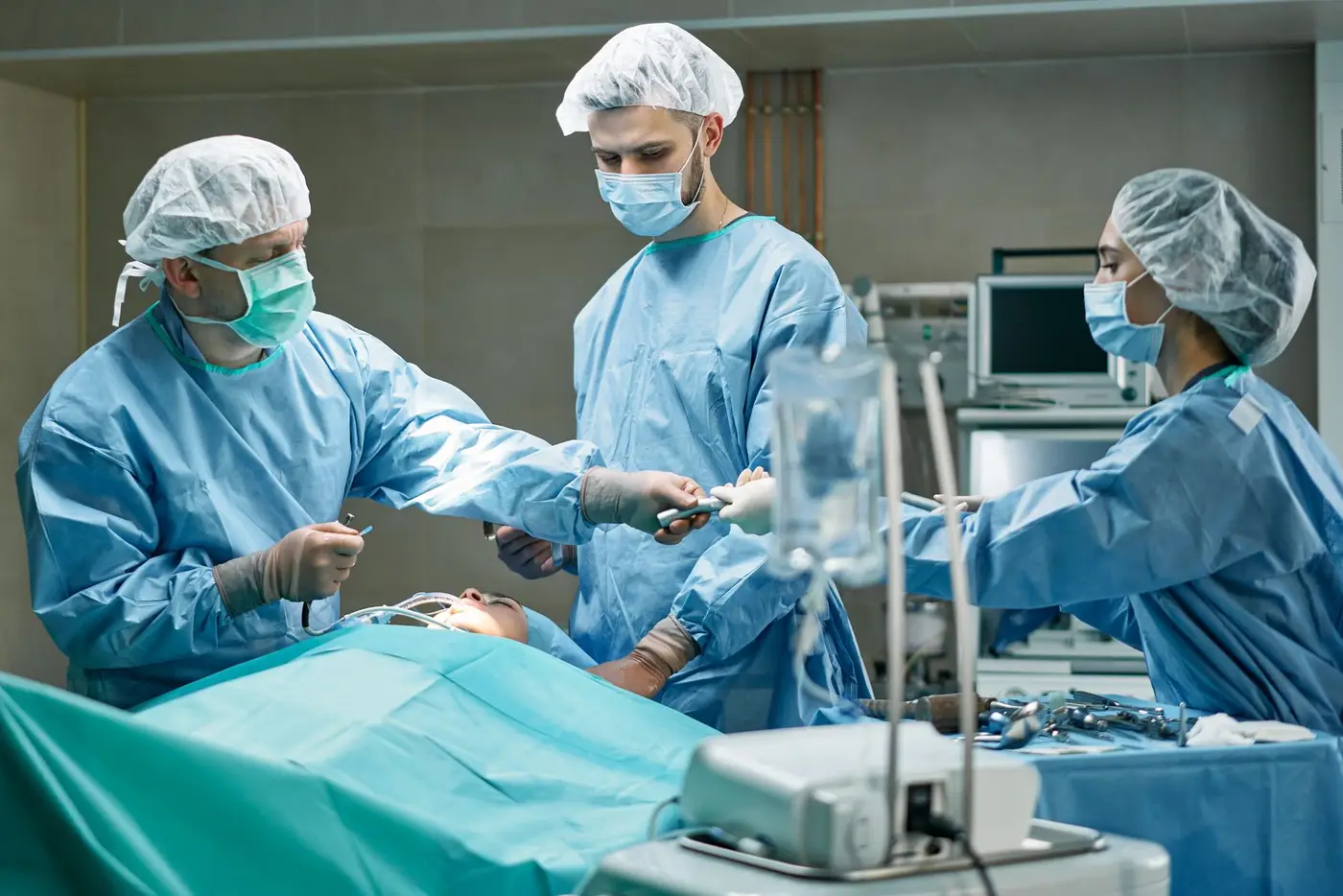
What is a flap?
A flap is a section of tissue moved with its own blood supply. In a pedicled flap, the tissue stays attached to its original vessels and is tunnelled to the chest. In a free flap, the tissue is detached completely and its tiny vessels are reconnected to vessels in the chest under the operating microscope (microsurgery).
- Microsurgical connection
- Internal mammary vessels
- Abdominal flap (skin & fat)
- Perforator vessels
- New breast
Common flap options
| Flap | Donor area | Notes |
|---|---|---|
| DIEP | Lower abdomen | Muscle-sparing free flap; abdominal contour often improves |
| MS-TRAM | Lower abdomen | Includes a small piece of muscle when vessel anatomy requires it |
| Latissimus dorsi | Upper back | Reliable pedicled flap; often combined with an implant or fat grafting |
| TUG / PAP | Inner or upper thigh | Alternatives when abdominal tissue is limited |
| SGAP / IGAP | Buttock | Selected cases with limited tissue elsewhere |
- Abdomen — diep / ms-tram
- Back — latissimus dorsi
- Thigh — tug / pap · buttock — gap
- Breast reconstructed with own tissue
Potential benefits
- A soft, natural feel and movement
- The result is generally permanent and ages with you
- No implant-related long-term maintenance
- Often the preferred option after radiotherapy
- Implant
- Your own tissue
Considerations
Own-tissue reconstruction is a larger operation with a longer initial recovery and a second scar at the donor site. Microsurgical flaps require careful monitoring in the first days after surgery. Smoking, significant medical conditions or previous abdominal surgery may affect suitability, which is why a detailed individual assessment comes first.
- Flap forms the new breast
- Skin island
- Latissimus muscle
- Rotated under the arm
Recovery and stay in Istanbul
Hospital stay after a free flap is usually three to five days. International patients are generally advised to remain in Istanbul for around two weeks so that wound checks and early follow-up can take place before flying. Most people return to desk-based work in four to six weeks.
- 01Donor areasAbdomen · Back · Thigh
- 02Hospital stay3–5 nights (free flap)
- 03Stay in IstanbulAbout 14 days
- 04Return to desk work4–6 weeks
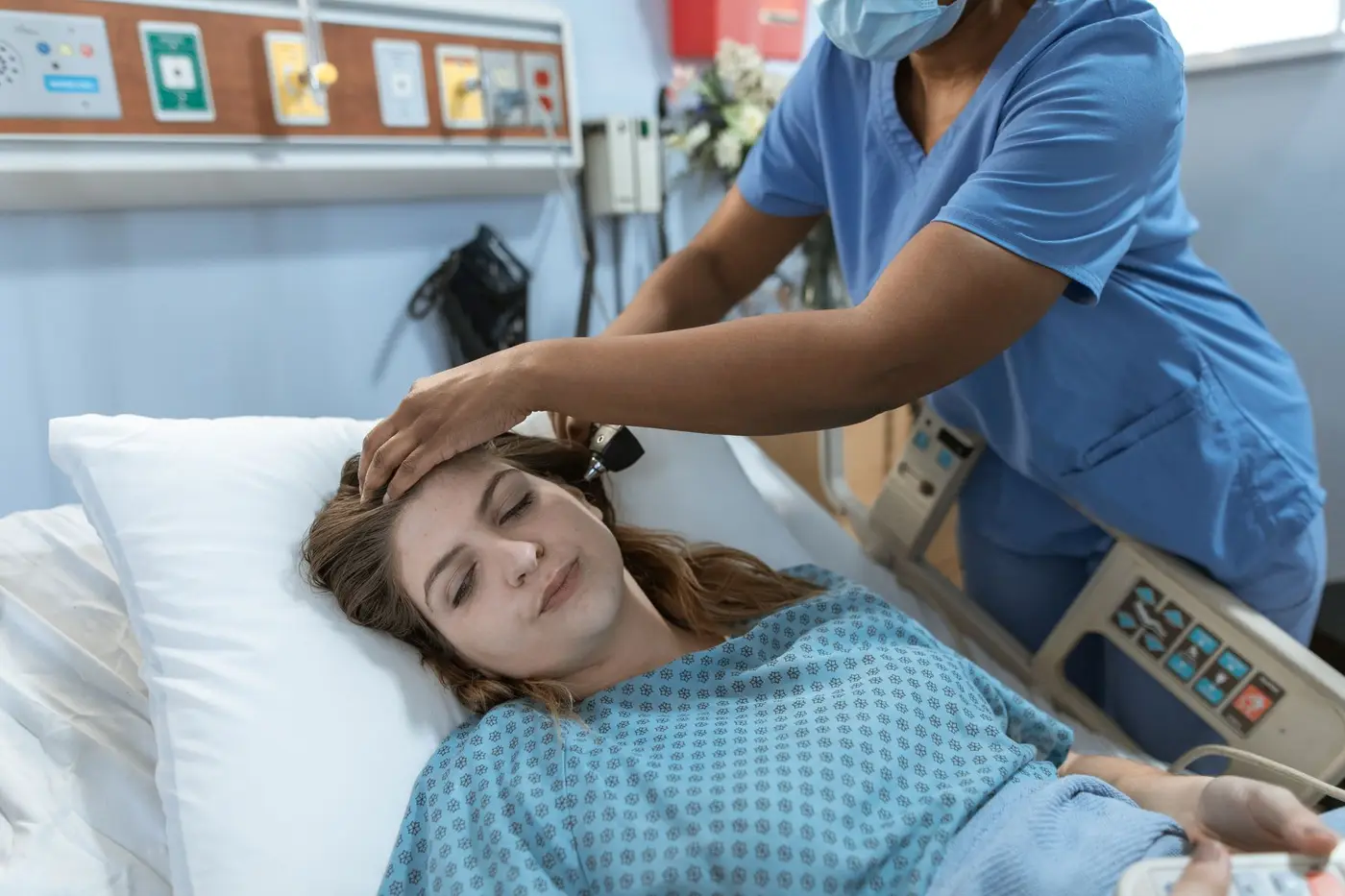
Own-tissue reconstruction in Istanbul, Turkey
Microsurgical flap reconstruction needs careful post-operative monitoring, so international patients are advised to stay about two weeks. Pre-operative imaging of the donor vessels can be arranged in Istanbul or reviewed from scans taken at home.
Frequently asked questions
Am I a candidate for own-tissue reconstruction?
Many women are, but suitability depends on the amount of available tissue, previous surgery, general health and smoking status. Photographs and medical history allow an initial assessment before travel.
Will I have a scar on my abdomen or back?
Yes. The donor-site scar is planned to sit within the underwear or bra line where possible.
Can own tissue be combined with an implant?
Yes. A latissimus dorsi flap, for example, is often combined with an implant to provide both coverage and volume.
Medically reviewed by Dr. Fatih Kılıç, Plastic, Reconstructive and Aesthetic Surgeon. This page is for general information and does not replace an individual consultation.