Oncoplastic surgery combines the removal of a breast tumour with plastic surgery techniques in the same operation — aiming to treat the cancer while preserving a natural breast shape.
Medically reviewed by Dr. Fatih KılıçUpdated 6 November 20263 min read
Why oncoplastic techniques matter
In breast-conserving surgery (lumpectomy), removing a significant amount of tissue can leave a dent, distortion or nipple displacement — especially after radiotherapy. Oncoplastic techniques reshape the remaining tissue at the time of surgery, so that the breast keeps a harmonious form.
Tight, irradiated skin
Healthy flap tissue
Figure 1Without reshaping, removing tissue and radiotherapy can leave dents or distortion.
Volume displacement
The remaining breast tissue is rearranged to fill the space left by the tumour, often using breast-reduction or lift patterns. This suits women with medium to larger breasts and may be combined with a reduction of the other breast for symmetry.
Tumour with clear margin
Tissue rearranged (reduction pattern)
Symmetry on the other side
Figure 2Volume displacement: the tumour is removed with a margin and the remaining tissue is reshaped with a reduction pattern.
Volume replacement
When the breast is smaller, tissue is brought in from nearby — for example a local perforator flap from the side of the chest — to replace the removed volume without reducing breast size.
Abdomen — diep / ms-tram
Back — latissimus dorsi
Thigh — tug / pap · buttock — gap
Breast reconstructed with own tissue
Figure 3Volume replacement brings nearby tissue to fill the defect when the breast is smaller.
Teamwork with your breast surgeon
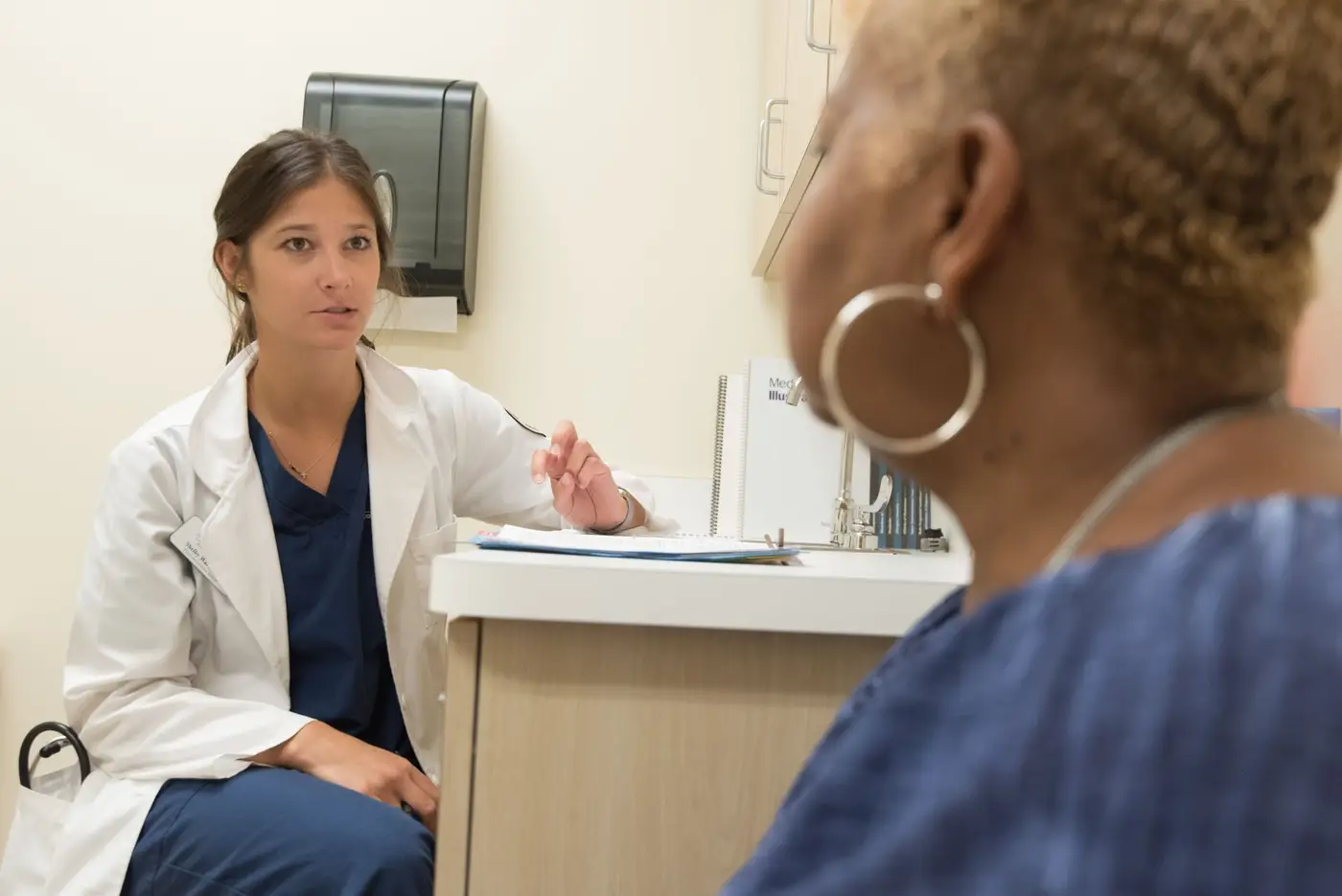
Oncological safety always comes first. Planning is coordinated with the breast surgeon and oncology team so that clear margins, radiotherapy planning and follow-up imaging remain straightforward. Clips are placed in the tumour bed to guide radiotherapy when required.
Figure 4Oncoplastic surgery is planned together with the breast surgeon and oncology team.
Time to ask questions — your options are explained clearly and without pressure.
Correcting deformity after previous lumpectomy
If breast-conserving surgery and radiotherapy have left contour irregularities, delayed correction is possible using fat grafting, local flaps or a latissimus dorsi flap, together with symmetry surgery on the opposite side.
Harvest by liposuction
Micro-droplets in many layers
Purified fat transferred
Figure 5Later contour defects after lumpectomy can be corrected with fat grafting.
Balanced, natural results — planned around your body and your wishes.
Oncoplastic breast surgery in Istanbul
Oncoplastic surgery is performed at the same time as tumour removal, so it is planned together with your breast surgeon and oncology team. Patients who already had a lumpectomy can be assessed for later contour correction and symmetry surgery.
01PerformedWith tumour removal
02ApproachesDisplacement · Replacement
03Other breastSymmetry if required
04CoordinationWith oncology team
Figure 6Oncoplastic surgery at a glance.
Frequently asked questions
Is oncoplastic surgery safe from a cancer perspective?
When performed with appropriate patient selection and coordination with the oncology team, oncoplastic surgery is considered oncologically safe and may allow wider tumour excision while preserving shape.
Will my other breast be operated on?
Sometimes. A reduction or lift of the opposite breast may be offered — at the same time or later — to improve symmetry.
Medically reviewed by Dr. Fatih Kılıç, Plastic, Reconstructive and Aesthetic Surgeon. This page is for general information and does not replace an individual consultation.
You do not need to decide on a surgical technique before contacting us. Share your treatment history and what you hope to achieve — your case will be assessed individually.