Radiotherapy is an important part of many breast cancer treatments, but it changes the skin and tissues of the chest. Understanding these changes helps choose a reconstruction method that heals reliably.
Medically reviewed by Dr. Fatih KılıçUpdated 6 November 20263 min read
How radiation affects tissue
Radiation reduces the small blood vessels in the skin and can cause tightness, thickening, pigmentation and reduced elasticity. These changes may continue to evolve for months after treatment, which is why timing and technique matter.
Tight, irradiated skin
Healthy flap tissue
Figure 1Irradiated skin is thinner and tighter. Healthy tissue with its own blood supply often heals more reliably.
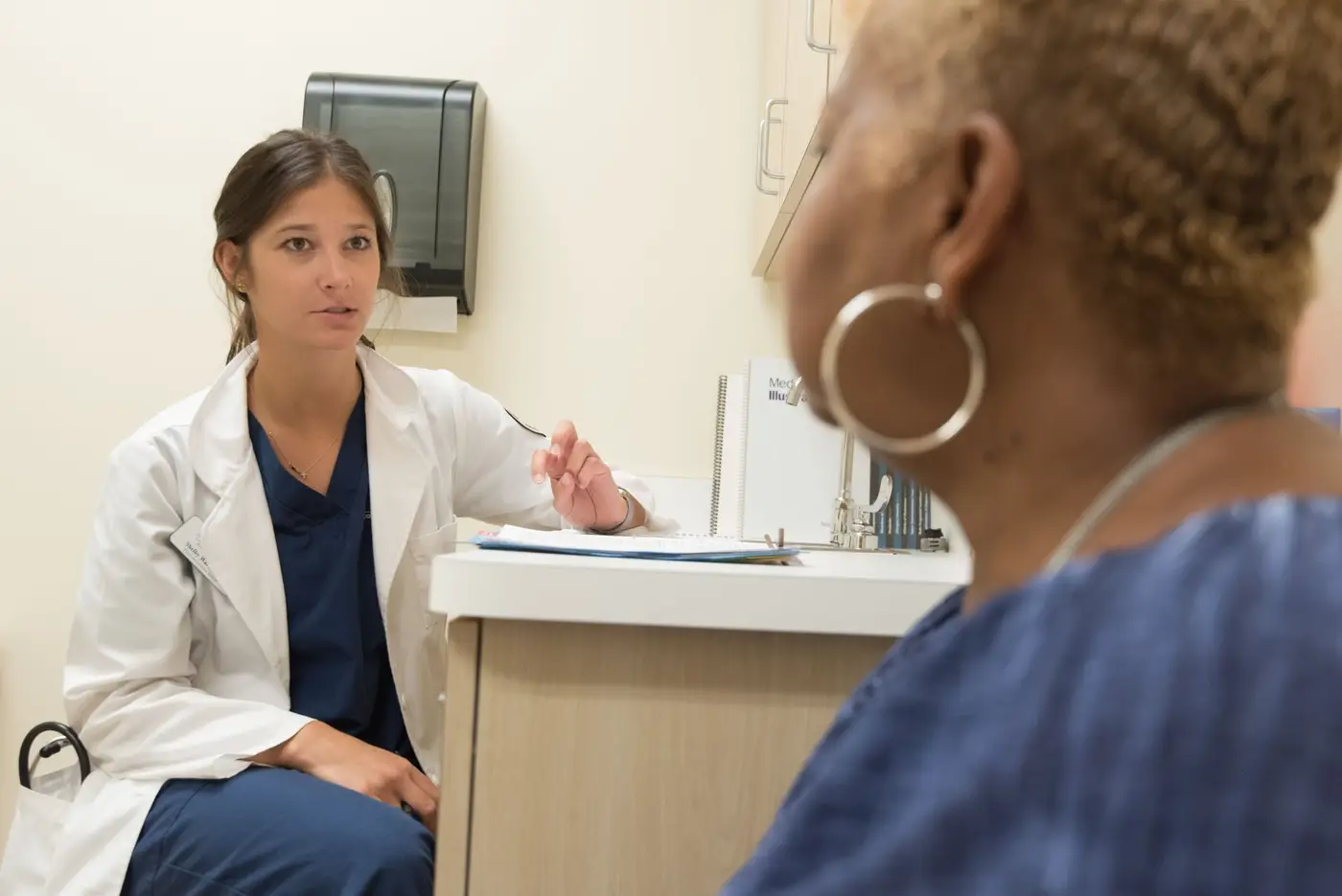
Every plan begins with an unhurried conversation about your history and goals.
Implants and radiotherapy
Implant reconstruction in an irradiated field carries a higher risk of capsular contracture, wound problems and the need for further surgery. In selected cases it remains possible — often with the support of fat grafting, or by adding healthy tissue with a latissimus dorsi flap.
Implant
Pectoralis muscle
Ribs
Muscle cover
Figure 2Implants can still be considered in selected cases, but the risk of contracture is higher after radiation.
Why own tissue is often preferred
Bringing in tissue with its own healthy blood supply — such as a DIEP flap — replaces irradiated skin and tends to give soft, durable results that are less affected by the previous radiation.
Attentive nursing care during the first days after surgery.
Timing
Delayed reconstruction after radiotherapy is commonly planned once the skin has recovered, often six to twelve months after the end of treatment. If you already have an expander or implant that has been irradiated, its condition is assessed to plan the next step.
01Typical timing6–12 months after
02Often preferredOwn tissue
03Supporting stepFat grafting
04ImplantsSelected cases
Figure 4Reconstruction after radiotherapy at a glance.
The role of fat grafting
Fat grafting may improve the quality and pliability of irradiated skin in addition to adding volume. It is frequently used as a preparatory or refining step.
Harvest by liposuction
Micro-droplets in many layers
Purified fat transferred
Figure 5Fat grafting can improve the quality and pliability of irradiated skin.
Reconstruction after radiotherapy in Turkey
If you had radiotherapy, please include the dates of treatment and any notes on skin reactions with your assessment request. Own-tissue techniques are often preferred, and timing is planned so that the skin has recovered before surgery.
Figure 6Radiotherapy dates and skin reactions are part of the online review before a plan is proposed.
Frequently asked questions
Can I have implants after radiotherapy?
Sometimes, but complication rates are higher. Your skin quality is examined and alternatives such as own-tissue reconstruction or combined techniques are discussed.
How long should I wait after radiotherapy?
Commonly six to twelve months, so that acute skin changes have settled. The timing is decided individually.
Medically reviewed by Dr. Fatih Kılıç, Plastic, Reconstructive and Aesthetic Surgeon. This page is for general information and does not replace an individual consultation.
You do not need to decide on a surgical technique before contacting us. Share your treatment history and what you hope to achieve — your case will be assessed individually.