How is a breast cancer treatment plan decided?
A breast cancer treatment plan is agreed by a multidisciplinary team (MDT) that reviews your scans, biopsy and pathology results together and recommends the treatments most likely to work for your particular cancer. The team usually includes a breast surgeon, a medical oncologist, a clinical (radiation) oncologist, a radiologist, a pathologist and a breast care nurse, and often a plastic surgeon.
The recommendation is based mainly on:
- The type and stage of the cancer — its size, whether lymph nodes are involved and whether it has spread (see breast cancer types and stages).
- Receptor status — whether the cancer cells have hormone receptors (oestrogen and progesterone, ER/PR) or extra HER2 protein, or neither (triple-negative).
- Grade and growth rate — how abnormal the cells look and how fast they divide, sometimes measured by Ki-67, a marker of cell division.
- Genomic tests — in some hormone-positive cancers, tests such as Oncotype DX or MammaPrint help show whether chemotherapy is likely to add benefit.
- Your general health, age, menopausal status, inherited gene results and preferences.
Dr. Fatih Kılıç is a plastic and reconstructive surgeon, not an oncologist. He does not prescribe cancer treatment. This page explains the treatments your oncology team may discuss, so you can understand your plan and ask good questions, and shows how reconstruction can be timed around them.
What is the difference between neoadjuvant and adjuvant treatment?
Neoadjuvant treatment is given before surgery; adjuvant treatment is given after surgery. Both aim to destroy any cancer cells that may have spread beyond the breast and lower the chance of the cancer coming back.
Neoadjuvant treatment, usually chemotherapy with or without targeted drugs, is often recommended for:
- HER2-positive and triple-negative cancers, especially if larger than about 2 cm or with involved lymph nodes;
- large tumours, where shrinking them first may allow breast-conserving surgery instead of mastectomy;
- inflammatory breast cancer.
Giving treatment first also shows how the cancer responds. If no invasive cancer remains at surgery (a pathological complete response), the outlook is often very good. If some cancer remains, extra treatment after surgery may be offered to lower the risk further. Many hormone-positive, HER2-negative cancers go straight to surgery, with any chemotherapy, radiotherapy and hormone therapy given afterwards. You can read about the operations themselves in breast cancer surgery.
- 01Who decidesMultidisciplinary team (MDT)
- 02ChemotherapyOften 4–6 months
- 03RadiotherapyOften 1–3 weeks
- 04Hormone therapyUsually 5–10 years
What is chemotherapy for breast cancer like?
Chemotherapy uses drugs that kill rapidly dividing cells, and is usually given into a vein in cycles every one to three weeks over about four to six months. Common combinations include an anthracycline (such as epirubicin or doxorubicin), a taxane (such as paclitaxel or docetaxel), cyclophosphamide and, in some cancers, carboplatin.
Side effects vary between drugs and people. Common ones include:
- tiredness, which may build up over the course of treatment;
- a higher risk of infection while white blood cells are low — a temperature during chemotherapy needs urgent contact with your team;
- nausea, now usually well controlled with anti-sickness medicines;
- mouth soreness, taste changes and bowel changes;
- tingling or numbness in the hands and feet (peripheral neuropathy), mainly with taxanes;
- temporary or, in some women, permanent changes to periods and fertility.
Hair loss and scalp cooling
Most common breast cancer chemotherapy regimens cause hair loss, usually starting two to three weeks after the first dose; hair typically begins to regrow a few weeks after treatment ends. Scalp cooling — wearing a cold cap before, during and after each infusion — reduces blood flow to the scalp and may help many women keep some or much of their hair. How well it works depends on the drugs used, and it is not suitable for everyone.
How is HER2-positive breast cancer treated?
HER2-positive breast cancer is usually treated with HER2-targeted drugs, combined with chemotherapy, that block the HER2 protein driving the cancer’s growth. These treatments have greatly improved outcomes for HER2-positive disease.
- Trastuzumab (Herceptin) — given into a vein or as an injection under the skin, typically for about a year in total in early breast cancer.
- Pertuzumab — often added to trastuzumab for higher-risk cancers, including before surgery; combined injection forms are available.
- Trastuzumab emtansine (T-DM1, Kadcyla) — an antibody linked to a chemotherapy drug; often offered after surgery when some cancer remained after neoadjuvant treatment.
- Trastuzumab deruxtecan (T-DXd, Enhertu) — another antibody-drug conjugate, used mainly in advanced (metastatic) breast cancer, including some cancers with low HER2 levels (“HER2-low”). Its role in earlier stages is still being studied in trials.
Because some HER2 drugs can affect heart function, heart scans are usually done before and during treatment. HER2 therapy rarely causes hair loss on its own and can often continue around surgery, including reconstruction, by agreement with your oncologist.
What is hormone therapy for breast cancer?
Hormone (endocrine) therapy lowers the effect of oestrogen on breast cancer cells, and is recommended for most hormone receptor-positive (ER-positive) breast cancers. It is usually taken as a daily tablet for five years, and for some women up to ten years.
- Tamoxifen — blocks oestrogen receptors; used before and after the menopause. It slightly increases the risk of blood clots and of womb (endometrial) changes, so new vaginal bleeding should always be reported.
- Aromatase inhibitors (anastrozole, letrozole, exemestane) — lower oestrogen production after the menopause. They can cause joint aches and bone thinning, so bone density is usually monitored.
- Ovarian function suppression — monthly or three-monthly injections (such as goserelin) that temporarily stop the ovaries working, used for some younger women at higher risk, combined with tamoxifen or an aromatase inhibitor.
Common side effects include hot flushes, night sweats, vaginal dryness, mood changes and lower libido. Many of these can be eased, so it is worth discussing them rather than stopping treatment alone. Some women after the menopause are also offered bone-strengthening drugs (bisphosphonates), which may reduce the risk of the cancer returning in bone.
What are CDK4/6 inhibitors, immunotherapy and PARP inhibitors?
These are newer targeted treatments used for particular types of breast cancer, usually alongside standard treatment rather than instead of it.
CDK4/6 inhibitors
CDK4/6 inhibitors (palbociclib, ribociclib, abemaciclib) are tablets that slow cancer cell division and are taken with hormone therapy for hormone-positive, HER2-negative cancer. They are widely used in advanced breast cancer and, for some higher-risk early cancers, abemaciclib or ribociclib may be added for two to three years after surgery. Low blood counts, diarrhoea and tiredness are among the side effects.
Immunotherapy for triple-negative breast cancer
Pembrolizumab, an immunotherapy drug that helps the immune system recognise cancer cells, is used with chemotherapy before surgery for many higher-risk early triple-negative breast cancers, and continued afterwards. It is also used for some advanced triple-negative cancers. Immune side effects, such as thyroid, skin, bowel or lung inflammation, are uncommon but need prompt attention.
PARP inhibitors for BRCA carriers
PARP inhibitors (olaparib, talazoparib) target cancers in people who carry an inherited BRCA1 or BRCA2 change. Olaparib may be offered for a year after standard treatment for higher-risk early breast cancer in BRCA carriers, and both drugs are used in advanced disease. This is one reason genetic testing is offered more widely today; see hereditary breast cancer and BRCA.
What does radiotherapy for breast cancer involve?
Radiotherapy uses precisely aimed high-energy X-rays to destroy any cancer cells left after surgery, lowering the risk of the cancer returning. It is usually given after breast-conserving surgery, and after mastectomy for larger cancers or when lymph nodes are involved.
- Whole-breast radiotherapy — treats the remaining breast after lumpectomy.
- Partial-breast radiotherapy — treats only the area around the tumour bed, an option for some women with low-risk cancers.
- Boost — a few extra treatments to the tumour bed for some women at higher risk of local recurrence.
- Chest wall radiotherapy — after mastectomy, treating the skin and tissues where the breast was.
- Nodal radiotherapy — to the lymph nodes in the armpit, above the collarbone or next to the breastbone, when nodes are involved.
Treatment is now usually shorter than in the past. Hypofractionation means giving slightly larger daily doses over fewer sessions: many women have 15 treatments over three weeks, and in the UK and elsewhere 5 treatments over one week is widely used for suitable patients. Each session takes only a few minutes and is painless.
Short-term effects include tiredness and skin redness or darkening, sometimes peeling. Longer-term, the breast or chest wall may become firmer, smaller or darker, which matters for reconstruction planning — see reconstruction after radiotherapy. For some older women with small, low-risk, hormone-positive cancers who take hormone therapy, radiotherapy after lumpectomy may be safely omitted.
- Tight, irradiated skin
- Healthy flap tissue
How can side effects be managed, and can I protect my fertility?
Most treatment side effects can be reduced or managed, so tell your team early rather than waiting. Supportive medicines, physiotherapy, dietary advice and psychological support are a normal part of care, and staying physically active during treatment may help with fatigue.
Some longer-term effects to know about:
- fatigue and “chemo brain” (difficulty concentrating), which usually improve gradually;
- early menopause after chemotherapy or ovarian suppression;
- bone thinning with aromatase inhibitors;
- arm swelling (lymphoedema), especially after lymph node surgery and nodal radiotherapy;
- rarely, effects on the heart from some chemotherapy and HER2 drugs.
Fertility preservation
Chemotherapy can damage the ovaries and may cause infertility, especially in women over about 35. If you might want children in the future, ask for a referral to a fertility specialist before treatment starts. Options may include freezing eggs or embryos, which usually takes about two weeks and can often be fitted in before chemotherapy, and injections to rest the ovaries during chemotherapy. Some women later pause hormone therapy, with their oncologist’s agreement, to try for a pregnancy.

How is metastatic breast cancer treated?
Metastatic (stage 4 or secondary) breast cancer, which has spread to other parts of the body such as bones, liver or lungs, is usually not curable, but it is often treatable for a long time. Many people live for years with it, continuing work, family life and the things they enjoy.
The aims are to control the cancer, ease symptoms and maintain quality of life. Treatment is usually given in sequence: when one treatment stops working, another is used. Depending on the cancer type, this may include hormone therapy with a CDK4/6 inhibitor, HER2-targeted drugs, antibody-drug conjugates, chemotherapy, immunotherapy, PARP inhibitors or other targeted tablets chosen after testing the tumour for specific mutations. Radiotherapy, bone-strengthening treatment and, occasionally, surgery are used for specific symptoms.
Specialist palliative (supportive) care teams can help from early on with pain, other symptoms, emotional support and practical matters — it is not only for the end of life. Breast reconstruction is generally not a priority in metastatic disease, although each situation is individual.

Should I consider a clinical trial?
A clinical trial tests a new treatment, or a new way of using an existing one, under careful supervision. Many of today’s standard breast cancer treatments are available because women took part in trials.
Taking part may give access to newer treatments, and you will be monitored closely. There may also be extra visits, tests and uncertainty about benefit and side effects. Trials are voluntary, you can leave at any time, and your standard care continues either way. Ask your oncologist whether any trials suit you, or search national trial registers.
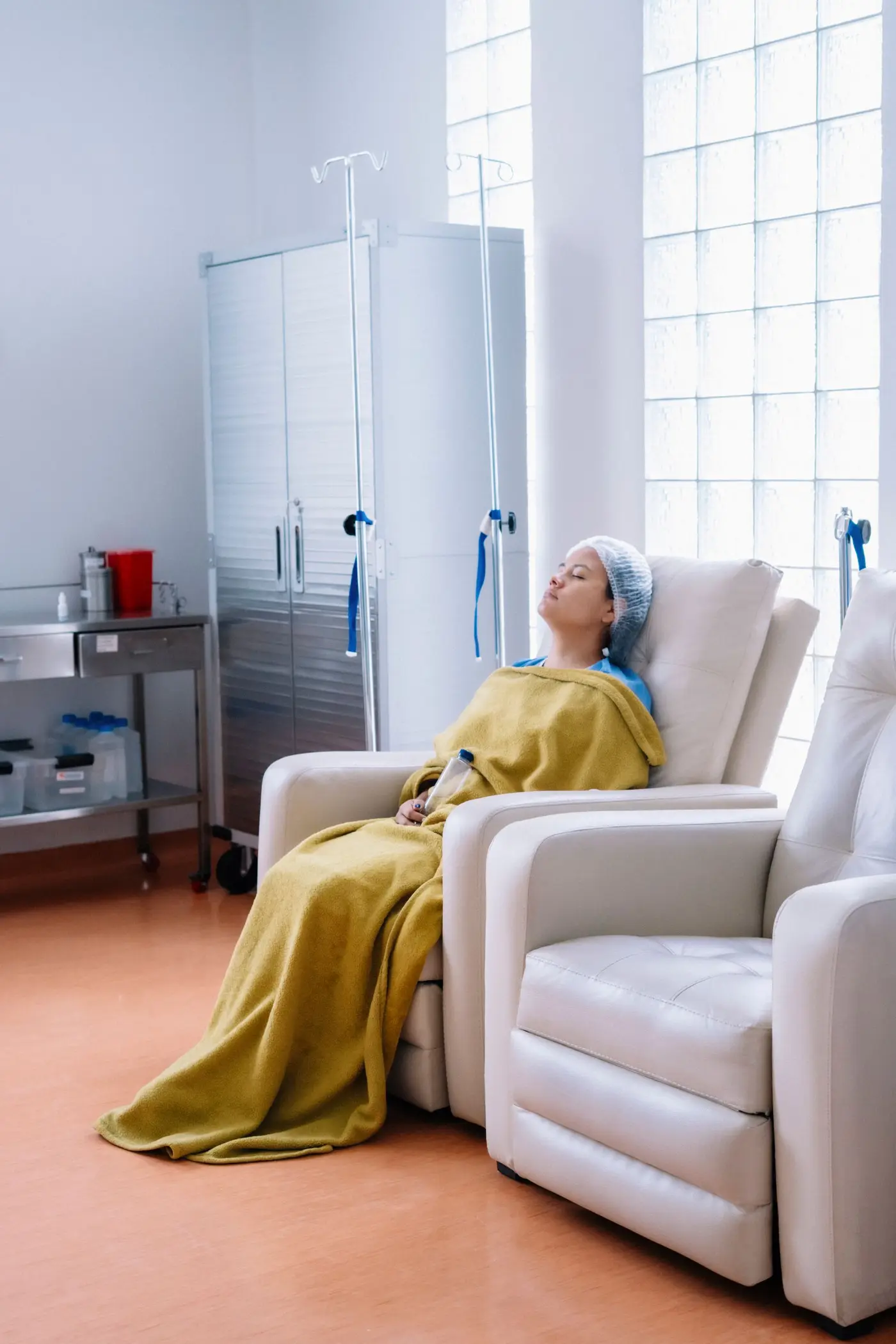
How does reconstruction timing fit around chemotherapy, radiotherapy and hormone therapy?
Reconstruction is planned around cancer treatment, never the other way round. Your oncology team decides the cancer treatment first, and the reconstructive plan is fitted in safely.
| Treatment | Effect on reconstruction timing |
|---|---|
| Chemotherapy before surgery | Surgery, including immediate reconstruction, is usually done around three to six weeks after the last cycle, once blood counts have recovered. |
| Chemotherapy after surgery | Immediate reconstruction is possible, but healing problems could delay chemotherapy, so the plan aims to keep risks low. |
| Radiotherapy to the chest wall | Many teams prefer delayed reconstruction with your own tissue, often six to twelve months after radiotherapy, or a temporary expander first. |
| HER2-targeted therapy | Often continues around surgery by agreement with your oncologist. |
| Hormone therapy | Usually continues; tamoxifen may be paused briefly around longer operations because of clot risk, only with your oncologist’s approval. |
Radiotherapy is the treatment that most affects reconstruction, because irradiated skin heals less well and implants carry a higher risk of tightening (capsular contracture). Our guides to reconstruction after radiotherapy and delayed breast reconstruction explain the options in more detail.

Where does breast reconstruction fit in?
Reconstruction is optional and can be considered before, during or long after cancer treatment. The best time to talk about it is early, ideally before surgery, because the type of mastectomy and the expected radiotherapy shape what is possible.
If you have finished treatment, reconstruction is usually still possible, whether with implants or your own tissue such as a flap reconstruction. Going flat or using an external prosthesis is an equally valid choice, and many women are content with it. The right decision is the one that fits your health, your treatment and your own wishes.
Can I get a reconstruction opinion while having treatment at home?
If you are having or have finished breast cancer treatment at home, you can share your reports — scans, pathology, surgical notes and your oncology team’s treatment plan — with Dr. Fatih Kılıç for an opinion on reconstruction options and timing. He does not advise on chemotherapy, radiotherapy or other cancer treatment; those stay with your own oncology team, and any reconstruction plan is coordinated around their recommendations. See international patients or contact us to begin.

Frequently asked questions
Who decides my breast cancer treatment?
Your treatment is recommended by a multidisciplinary team that includes breast surgeons, medical and radiation oncologists, a radiologist, a pathologist and a breast care nurse. They review all your results together. The final plan is agreed with you, and you can ask questions or request a second opinion.
Will I definitely need chemotherapy?
Not everyone with breast cancer needs chemotherapy. It depends on the type, size, grade and lymph node status of the cancer, and for some hormone-positive cancers a genomic test helps decide. Your oncologist will explain whether chemotherapy is likely to add meaningful benefit for you.
Does scalp cooling stop hair loss?
Scalp cooling may help many women keep some or much of their hair during chemotherapy, but it does not work for everyone. Results depend on the drugs used, the dose and hair type. It also lengthens each treatment session.
How long does chemotherapy for breast cancer last?
Chemotherapy for early breast cancer usually lasts about four to six months, given in cycles every one to three weeks. HER2-targeted drugs, immunotherapy or other treatments may continue after chemotherapy ends.
How long do you take hormone therapy for breast cancer?
Hormone therapy is usually taken for five years, and some women are advised to continue for up to ten years if their risk of recurrence is higher. The length depends on the cancer, side effects and your menopausal status.
What is the most common radiotherapy schedule for breast cancer?
Many women now have 15 treatments over three weeks, and a one-week course of 5 treatments is widely used for suitable patients. Some also have a few extra boost treatments. Each session lasts only a few minutes.
Can I have breast reconstruction if I need radiotherapy?
Yes, reconstruction is still possible if you need radiotherapy, but the timing and method may change. Many surgeons prefer to reconstruct with your own tissue after radiotherapy has finished, often six to twelve months later. A temporary expander can sometimes hold the skin in the meantime.
What does HER2-positive mean for treatment?
HER2-positive means the cancer cells make too much HER2 protein, which drives growth. These cancers are usually treated with HER2-targeted drugs such as trastuzumab, often with pertuzumab and chemotherapy. These treatments have greatly improved outcomes.
Is triple-negative breast cancer treated differently?
Triple-negative breast cancer does not respond to hormone or HER2-targeted therapy, so chemotherapy is the main drug treatment. For many higher-risk early cases, the immunotherapy drug pembrolizumab is added. Women with triple-negative cancer are often offered genetic testing.
Can I have children after breast cancer treatment?
Many women have children after breast cancer treatment. Chemotherapy can reduce fertility, so it is important to discuss egg or embryo freezing before treatment starts. Some women pause hormone therapy, with their oncologist’s agreement, to try for a pregnancy.
Is metastatic breast cancer curable?
Metastatic breast cancer is usually not curable, but it is often treatable for a long time. Many people live for years with good quality of life, moving between treatments as needed. Supportive care can help with symptoms from early on.
Does hormone therapy affect breast reconstruction?
Hormone therapy usually continues during reconstruction planning. Tamoxifen slightly increases the risk of blood clots, so some surgeons ask for it to be paused briefly around longer operations such as flap reconstruction. This should only be done with your oncologist’s agreement.

Medically reviewed by Dr. Fatih Kılıç, Plastic, Reconstructive and Aesthetic Surgeon. This page is for general information and does not replace an individual consultation.