Women with a BRCA gene mutation or a strong family history may choose to remove healthy breast tissue to reduce their cancer risk. Reconstruction can be performed in the same operation.
Medically reviewed by Dr. Fatih KılıçUpdated 6 November 20263 min read
Who considers a preventive mastectomy?
Risk-reducing mastectomy is considered by carriers of BRCA1, BRCA2 and other high-risk gene mutations, and by women with a very strong family history. The decision is made together with a breast surgeon and genetic counselling — reconstruction is planned alongside it.
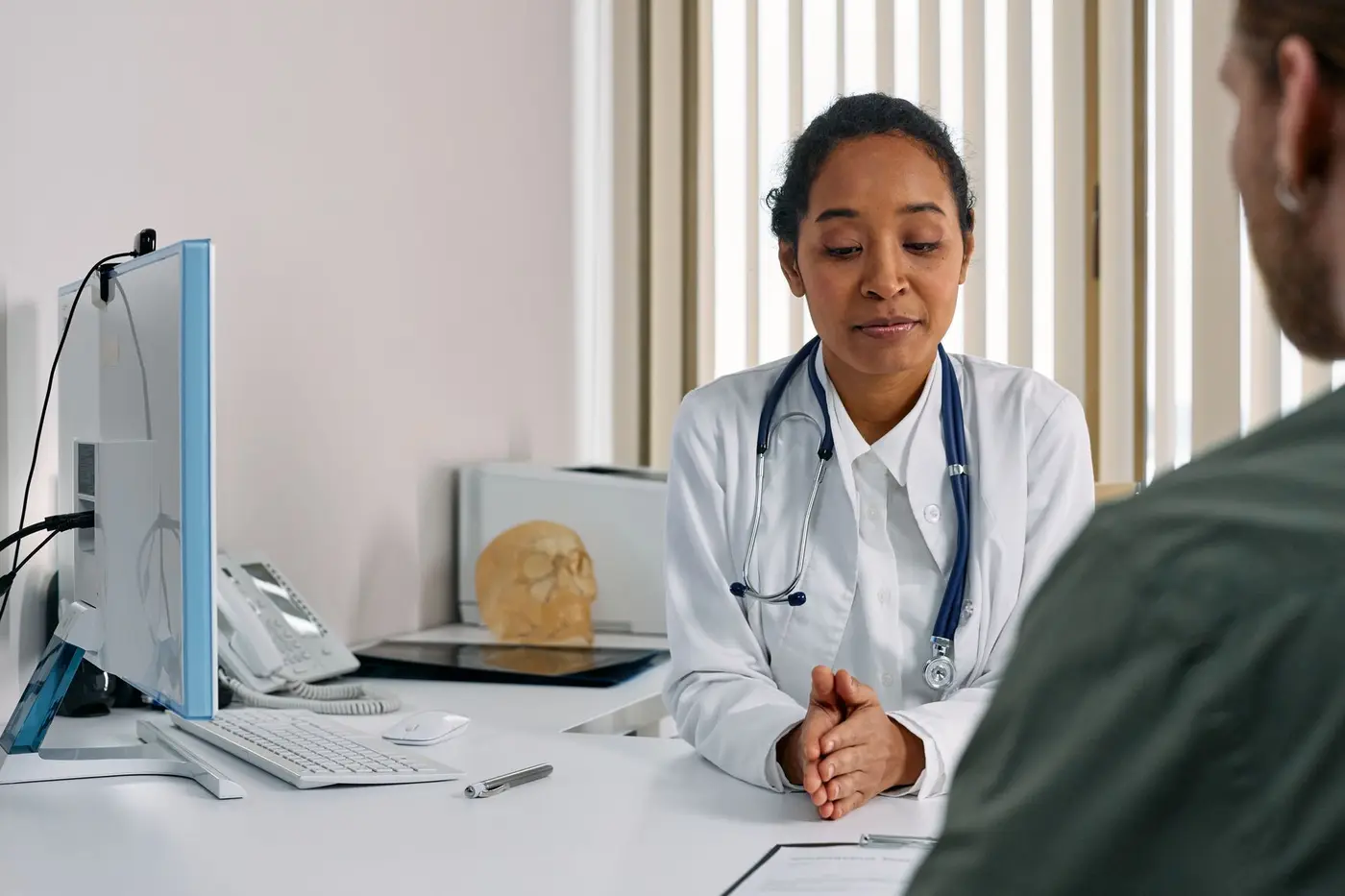
Figure 1Preventive mastectomy is planned together with your breast surgeon and genetic counselling.
Every plan begins with an unhurried conversation about your history and goals.
Nipple-sparing mastectomy with immediate reconstruction
Because there is no cancer, the skin and often the nipples can be preserved. Breast tissue is removed through hidden incisions in the breast fold, and the breast is rebuilt immediately with:
a direct-to-implant reconstruction in a single stage,
Figure 2Nipple-sparing mastectomy through hidden fold incisions, with immediate reconstruction of both breasts.
Recovery
After implant-based reconstruction most patients stay one to two nights in hospital and about ten days in Istanbul. Own-tissue reconstruction requires around two weeks.
01ForBRCA & high-risk women
02TechniqueNipple-sparing + immediate
03Hospital stay1–5 nights
04Stay in IstanbulAbout 10–14 days
Figure 3Preventive mastectomy reconstruction at a glance.
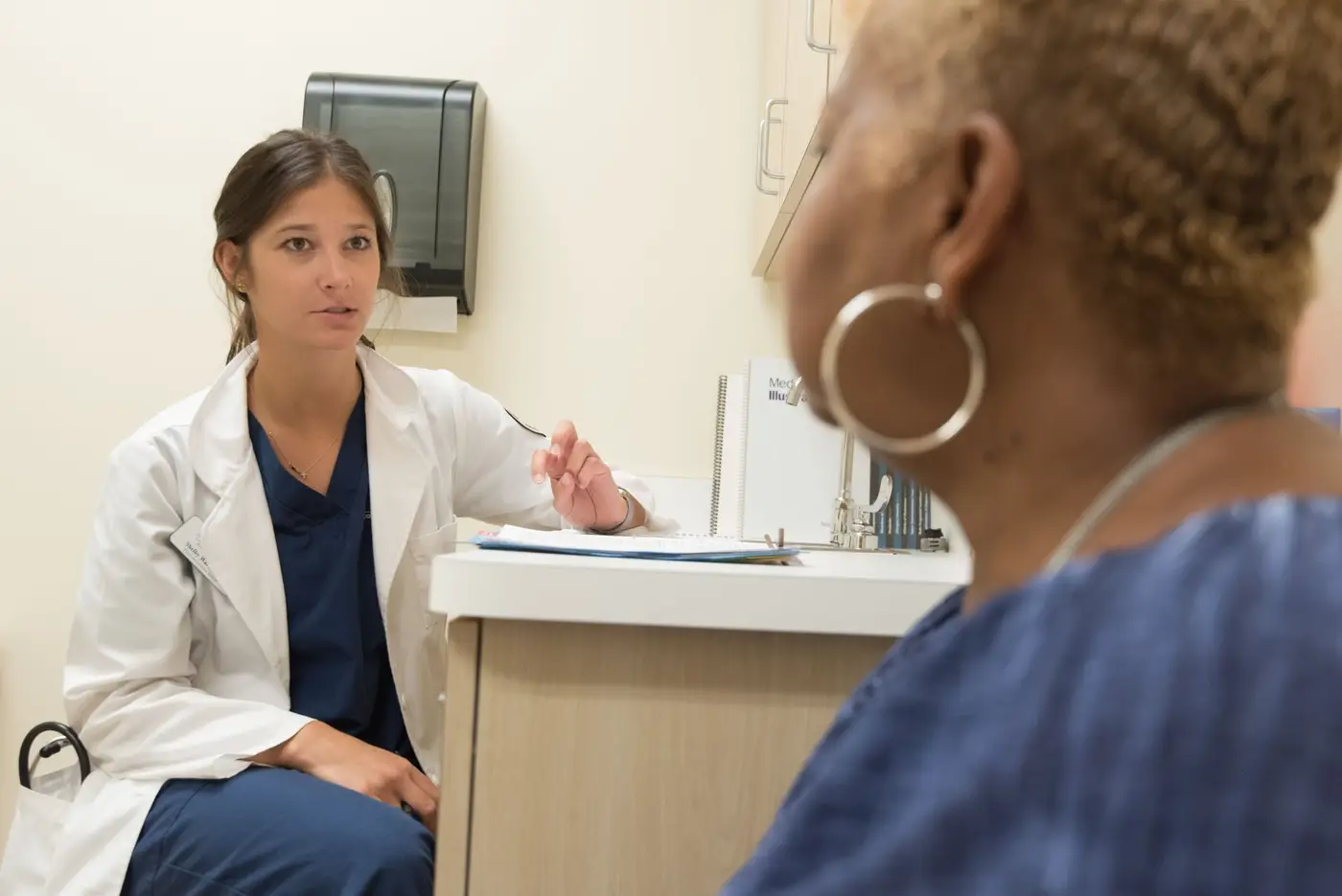
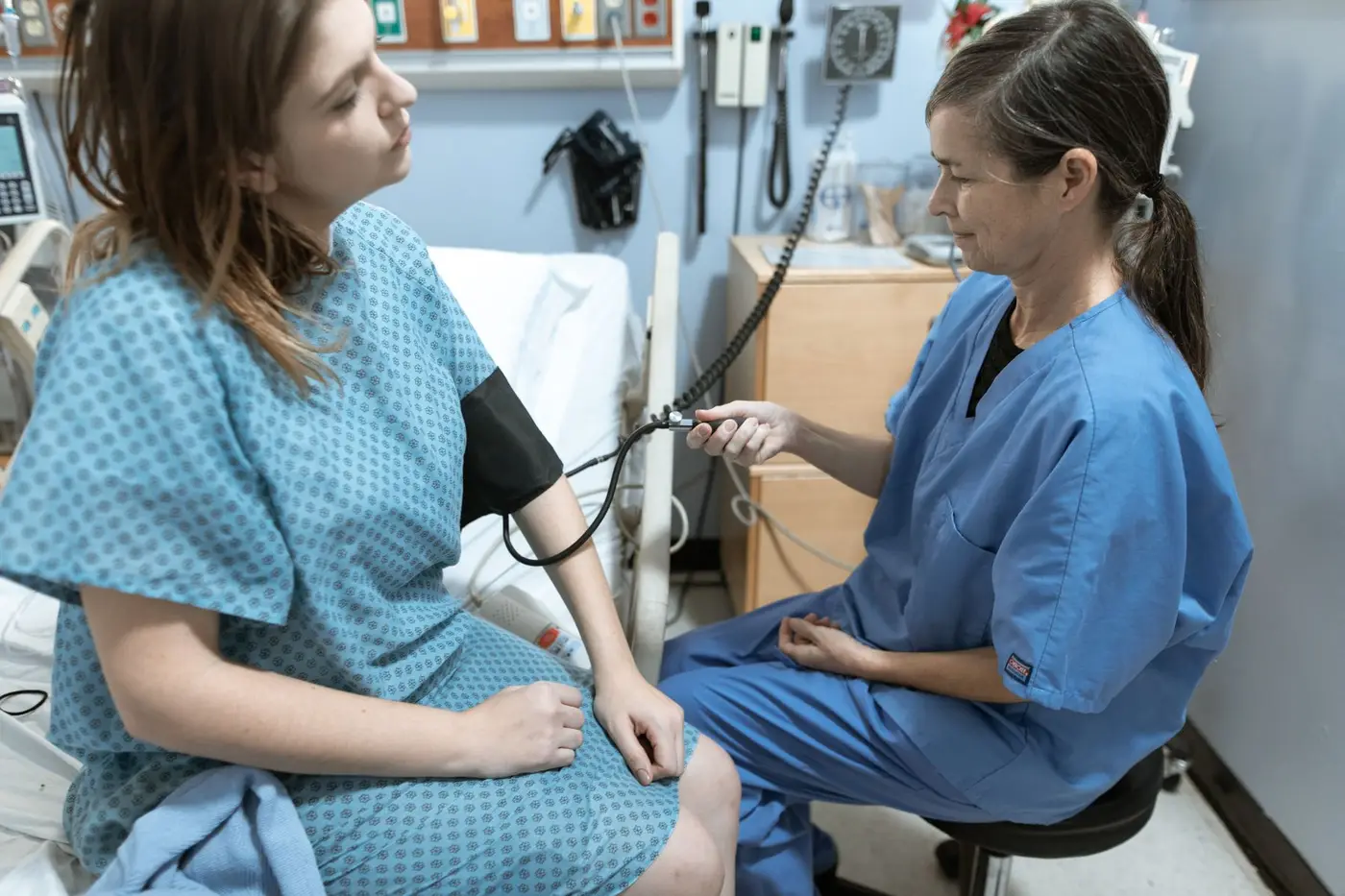
Close monitoring and support while you recover in hospital.
Preventive mastectomy reconstruction in Istanbul, Turkey
If you are a BRCA carrier considering surgery in Istanbul, please share your genetic test result and your breast surgeon’s recommendation. Mastectomy and reconstruction are coordinated as a single operation.
Microsurgical connection
Internal mammary vessels
Abdominal flap (skin & fat)
Perforator vessels
New breast
Figure 4Your own abdominal tissue can be used instead of implants in a DIEP flap reconstruction.
Frequently asked questions
Can the nipples be preserved?
In risk-reducing surgery the nipples can often be preserved, depending on breast size, shape and your breast surgeon’s recommendation.
Does reconstruction affect the risk reduction?
No. Reconstruction rebuilds the shape after the breast tissue has been removed; the risk reduction comes from the mastectomy itself.
Medically reviewed by Dr. Fatih Kılıç, Plastic, Reconstructive and Aesthetic Surgeon. This page is for general information and does not replace an individual consultation.
You do not need to decide on a surgical technique before contacting us. Share your treatment history and what you hope to achieve — your case will be assessed individually.