Fat grafting — also called lipofilling — transfers your own fat by gentle liposuction to refine the shape and softness of a reconstructed breast.
Medically reviewed by Dr. Fatih KılıçUpdated 6 November 20263 min read
How fat grafting works
Fat is harvested through small incisions — typically from the abdomen, flanks or thighs — processed to concentrate healthy fat cells, and injected in tiny amounts in multiple layers. Only part of the transferred fat survives permanently, so more than one session may be needed.
Harvest by liposuction
Micro-droplets in many layers
Purified fat transferred
Figure 1Fat grafting: fat is harvested by gentle liposuction, purified and placed in micro-droplets in many layers.
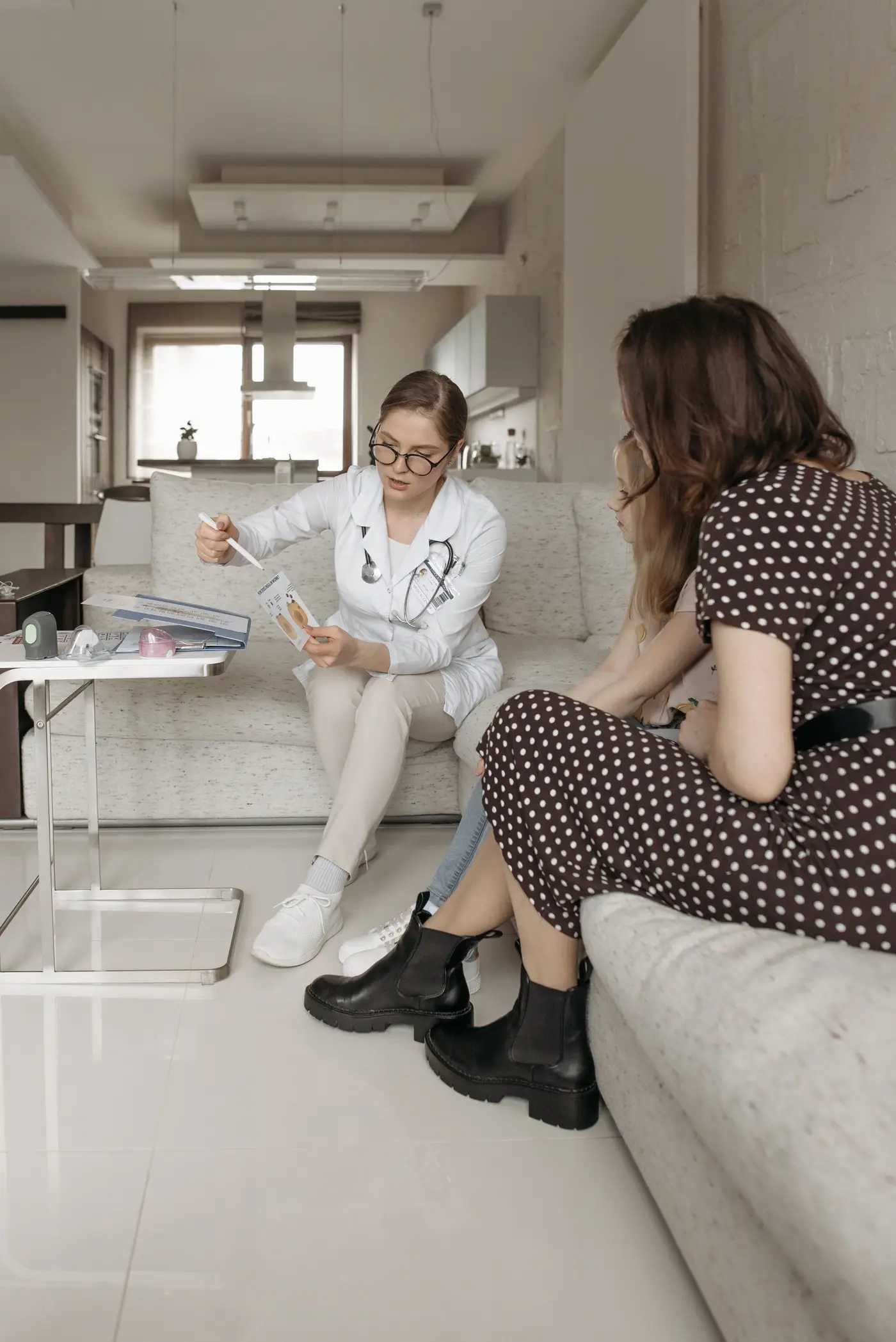
Time to ask questions — your options are explained clearly and without pressure.
Uses in reconstruction
Filling contour irregularities and step-offs
Softening the edges of an implant and reducing rippling
Improving the upper pole fullness of a reconstructed breast
Correcting defects after breast-conserving surgery
Fat grafting is widely used in reconstruction and is considered safe when performed with appropriate technique. Small oil cysts or calcifications can occur; these are recognisable on imaging, and your radiologist should be informed of previous fat grafting.
Figure 3Previous fat grafting is recorded in your file so that future breast imaging can be interpreted correctly.
Recovery
Most fat grafting procedures are day-case or require a single night in hospital. Bruising and swelling at the donor site settle over two to three weeks.
01Donor areasAbdomen · Flanks · Thighs
02Sessions1–3, months apart
03Hospital stayDay case or 1 night
04Recovery2–3 weeks of bruising
Figure 4Fat grafting recovery at a glance.
Recovery continues calmly — with clear guidance before you travel home.
Fat grafting for breast reconstruction in Istanbul
Fat grafting is a day-case or overnight procedure, so most patients stay four to seven days in Istanbul. When several sessions are needed, they are spaced a few months apart and planned around your travel.
Figure 5Standardised photographs help plan where fat is needed and compare results between sessions.
Frequently asked questions
How many fat grafting sessions are needed?
It depends on the goal. Minor contour corrections may need one session, while larger volume changes may require two or three, spaced several months apart.
Can a whole breast be reconstructed with fat alone?
In selected patients, staged fat grafting with external or internal expansion can achieve reconstruction, but it usually requires several sessions.
Medically reviewed by Dr. Fatih Kılıç, Plastic, Reconstructive and Aesthetic Surgeon. This page is for general information and does not replace an individual consultation.
You do not need to decide on a surgical technique before contacting us. Share your treatment history and what you hope to achieve — your case will be assessed individually.