Guide contents: where to find each topic
This page is the starting point of our breast cancer guide; each topic below has its own detailed page.
- Breast cancer symptoms — early signs, benign causes, breast self-checks and national screening programmes.
- Breast cancer diagnosis — mammogram, ultrasound, MRI, biopsy and how to read your biopsy results.
- Types and stages of breast cancer — hormone receptors, HER2, triple-negative, grade, Ki-67 and TNM staging.
- Breast cancer surgery — lumpectomy, mastectomy, sentinel node biopsy and surgery on the lymph nodes.
- Breast cancer treatment — chemotherapy, radiotherapy, hormone therapy, targeted and immunotherapy explained.
- Hereditary breast cancer and BRCA — genetic testing, family history and risk-reducing options.
- Lymphoedema after breast cancer — arm swelling, early signs, prevention and treatment.
- Life after breast cancer — follow-up, side effects, body image, fertility, work and emotional recovery.
Because this site belongs to a reconstructive surgeon, the guide also explains, without pressure, where breast reconstruction fits into the wider picture of treatment.
This guide is general information. Your own diagnosis and treatment are decided with your oncology team, who know the full details of your case.
What is breast cancer?
Breast cancer is a cancer that starts in the cells of the breast, most often in the milk ducts or the milk-producing lobules.
Normally, cells grow and divide in an orderly way. In cancer, changes in a cell’s genetic material allow it to keep dividing when it should not. Over time these cells can form a tumour, grow into surrounding breast tissue and, in some cases, spread through the lymph vessels or bloodstream to other parts of the body.
Doctors usually separate breast cancer into two broad groups:
- Non-invasive (in situ) cancer — abnormal cells that have stayed inside the ducts. The most common form is ductal carcinoma in situ (DCIS). It cannot spread while it remains in situ, but it is usually treated because it may become invasive.
- Invasive cancer — cells that have grown through the wall of the duct or lobule into surrounding tissue. Invasive ductal carcinoma (also called “no special type”) is the most common; invasive lobular carcinoma is the second most common.
Breast cancer is not one single disease. Its behaviour depends on the biology of the cancer cells, which is why two people with tumours of the same size may be offered quite different treatment.
How common is breast cancer?
Breast cancer is the most commonly diagnosed cancer in women worldwide, and about 1 in 8 women in the UK and the US will be diagnosed with it during their lifetime.
The risk rises with age: most breast cancers are found in women over 50, although younger women can be affected too. Men can also develop breast cancer, but it is rare — fewer than 1 in 100 breast cancers occur in men.
The encouraging side of these numbers is that survival has improved steadily over recent decades. Earlier detection through screening and better, more targeted treatment mean that many women diagnosed today live long and full lives after breast cancer.
What are the risk factors for breast cancer?
The biggest risk factors for breast cancer are being a woman and getting older; many other factors raise or lower risk only modestly.
Having a risk factor does not mean you will develop breast cancer, and many people diagnosed have no obvious risk factor at all. Known factors include:
- Age — risk increases steadily with age.
- Family history and inherited genes — a close relative with breast or ovarian cancer, or an inherited change in genes such as BRCA1, BRCA2, PALB2, TP53 or CHEK2. Around 5–10% of breast cancers are linked to an inherited gene change. See hereditary breast cancer and BRCA.
- Previous breast conditions — an earlier breast cancer, DCIS, or some benign changes such as atypical hyperplasia.
- Dense breast tissue on a mammogram.
- Hormonal factors — early first period, late menopause, having no children or a first child later in life, and some forms of hormone replacement therapy (HRT).
- Lifestyle factors — drinking alcohol, being overweight after the menopause and low physical activity.
- Previous radiotherapy to the chest, for example for Hodgkin lymphoma at a young age.
Some of these factors, such as alcohol, weight and activity, can be changed. Others, such as age and genes, cannot — but knowing about them can help you and your doctor decide whether earlier or extra screening is sensible.
What are the symptoms of breast cancer?
The most common symptom of breast cancer is a new lump or thickening in the breast or armpit, but there are several other signs worth knowing.
- A change in the size or shape of a breast.
- Skin changes, such as dimpling, puckering, redness or a texture like orange peel.
- A nipple that has turned inwards, or a rash or crusting around the nipple.
- Fluid or blood coming from the nipple without squeezing.
- Swelling or a lump in the armpit or around the collarbone.
- Persistent pain in one part of the breast or armpit (pain alone is rarely due to cancer, but should still be checked if it does not go away).
Many breast cancers found by screening cause no symptoms at all. Most breast lumps are not cancer, but every new lump should be checked by a doctor. Our breast cancer symptoms page explains each sign, the common benign causes and how to check your breasts.

How is breast cancer diagnosed?
Breast cancer is diagnosed with a “triple assessment”: a clinical examination, breast imaging and a needle biopsy of any suspicious area.
- Examination — a doctor asks about your symptoms and family history and examines both breasts and armpits.
- Imaging — usually a mammogram (breast X-ray) and/or an ultrasound scan. An MRI scan is sometimes added, for example in dense breasts, lobular cancer or high-risk women.
- Biopsy — a thin needle takes small samples of tissue under local anaesthetic, usually guided by ultrasound or mammography. A pathologist examines the samples under the microscope.
Only a biopsy can confirm cancer. The biopsy results also show the type of cancer, its grade and its receptor status, which guide treatment. If cancer is confirmed, further scans may be done to check whether it has spread. The full process is explained on our breast cancer diagnosis page.
What are the main types and stages of breast cancer?
Breast cancer is described by its type (what the cells look like), its biology (which receptors it carries) and its stage (how large it is and how far it has spread).
The biology is especially important for treatment. Pathologists test the cancer for:
- Hormone receptors (ER and PR) — if the cells have oestrogen or progesterone receptors, the cancer is “hormone receptor-positive” and usually responds to hormone (endocrine) therapy. About 7 in 10 breast cancers are in this group.
- HER2 — a protein that encourages cell growth. HER2-positive cancers tend to grow faster but can be treated with drugs that specifically target HER2.
- Triple-negative — cancers with none of these three receptors. They are treated mainly with chemotherapy, sometimes with immunotherapy.
The grade (1 to 3) describes how abnormal the cells look, and Ki-67 estimates how quickly they are dividing. The stage, from 0 to 4, combines tumour size, lymph node involvement and spread to other organs. Stage 0 is DCIS; stages 1–3 are early or locally advanced cancer; stage 4 means it has spread to distant organs (metastatic or secondary breast cancer).
| Group | What it means | Main drug treatments |
|---|---|---|
| Hormone receptor-positive, HER2-negative | Growth driven by hormones; most common group | Hormone therapy, sometimes chemotherapy or targeted drugs |
| HER2-positive | Too much HER2 protein on the cells | HER2-targeted drugs with chemotherapy; hormone therapy if also ER-positive |
| Triple-negative | No ER, PR or HER2 | Chemotherapy, sometimes immunotherapy or other targeted drugs |
Read more on our types and stages page.
How is breast cancer treated?
Most early breast cancers are treated with surgery, often combined with radiotherapy and drug treatments such as chemotherapy, hormone therapy or targeted therapy.
The exact combination and order depend on the type, stage and biology of the cancer, as well as your general health and preferences.
- Surgery — either breast-conserving surgery (lumpectomy or wide local excision), which removes the cancer with a margin of healthy tissue, or mastectomy, which removes the whole breast. The lymph nodes in the armpit are usually checked with a sentinel lymph node biopsy. See breast cancer surgery.
- Radiotherapy — high-energy X-rays to reduce the chance of the cancer coming back in the breast or chest wall. It is usual after breast-conserving surgery and sometimes needed after mastectomy.
- Chemotherapy — drugs that kill dividing cancer cells, given before surgery (neoadjuvant) or after it (adjuvant).
- Hormone therapy — tablets such as tamoxifen or aromatase inhibitors, usually taken for 5–10 years for hormone receptor-positive cancer.
- Targeted therapy and immunotherapy — drugs aimed at specific features of the cancer, such as HER2, or that help the immune system recognise cancer cells.
Our breast cancer treatment page explains each option, what to expect and the common side effects.
- Tumour and margin removed
- Rest of breast kept
- All breast tissue removed
Who is in the breast cancer multidisciplinary team?
Breast cancer care is planned by a multidisciplinary team (MDT) — a group of specialists who meet to review each patient’s results and agree a treatment plan together.
- Breast surgeon or surgical oncologist — performs the cancer operation.
- Medical oncologist — plans chemotherapy, hormone therapy, targeted therapy and immunotherapy.
- Clinical or radiation oncologist — plans radiotherapy.
- Radiologist — reads the mammograms, scans and performs image-guided biopsies.
- Pathologist — examines tissue under the microscope and reports type, grade and receptors.
- Breast care nurse — your key contact for information and support.
- Plastic and reconstructive surgeon — joins when reconstruction or oncoplastic surgery is being considered.
Others may include a geneticist, physiotherapist, psychologist and fertility specialist. Dr. Fatih Kılıç is a plastic, reconstructive and aesthetic surgeon, not an oncologist: cancer diagnosis and treatment decisions belong to your oncology team. His role is to plan reconstruction, work with the breast surgeon on preserving shape through oncoplastic surgery, and help time reconstruction around your treatment.

What is the outlook for breast cancer?
The outlook for breast cancer is often good, especially when it is found early: for cancer confined to the breast, around 9 in 10 women or more are alive five years after diagnosis.
The outlook depends mainly on the stage at diagnosis, the biology of the cancer and how it responds to treatment. Survival is lower when the cancer has spread to distant organs, but many people with secondary breast cancer now live for years with treatment that controls the disease.
Statistics describe large groups of people, often treated years ago, and cannot predict what will happen to one individual. Your oncology team is the best source of information about your own situation. It is reasonable to ask them what your results mean, how likely treatment is to work and which tools (such as online prediction models) they use.
Survival figures improve as treatment advances. Numbers you read online are approximate and may not reflect the most recent therapies.
What is life like after breast cancer treatment?
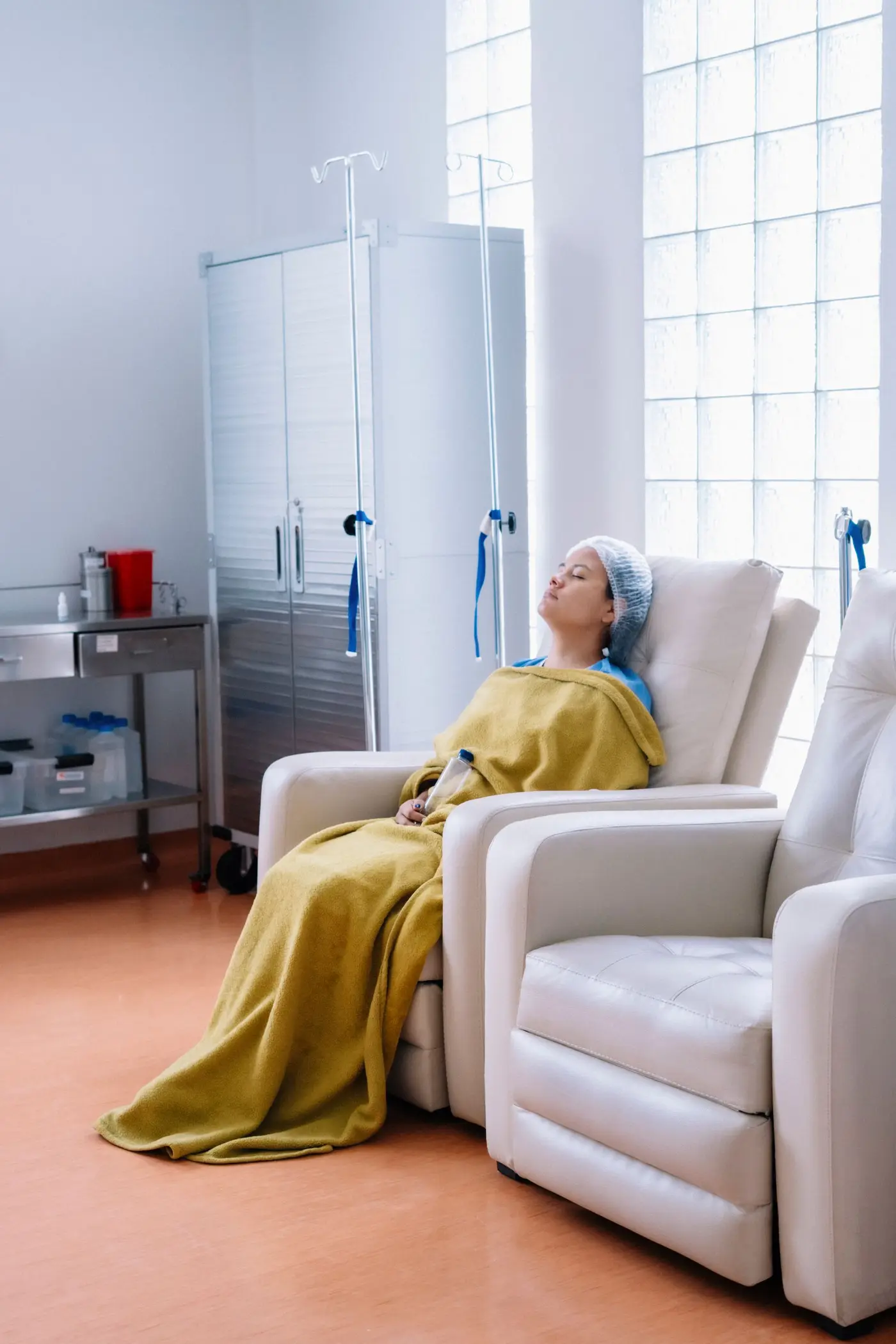
After active treatment, most people move into a period of follow-up and recovery that usually includes regular check-ups, yearly mammograms and, for many, years of hormone therapy.
Recovery is physical and emotional. Common concerns include tiredness, joint aches from hormone therapy, menopausal symptoms, changes in body image and intimacy, fertility questions and fear of the cancer returning. Some people develop arm swelling after lymph node surgery or radiotherapy — see lymphoedema after breast cancer.
Support from breast care nurses, psychologists, physiotherapists and patient groups can make a real difference. Our life after breast cancer page covers follow-up, side effects, returning to work and looking after your wellbeing.

Where breast reconstruction fits in
Breast reconstruction is an optional operation to recreate the shape of the breast after mastectomy or to correct changes after breast-conserving surgery; it can be done at the same time as cancer surgery or years later.
Reconstruction does not treat the cancer, and it is planned around the cancer treatment, not the other way round. The main choices are:
- Immediate reconstruction — done during the mastectomy, often with skin-sparing or nipple-sparing techniques.
- Delayed reconstruction — done months or years later, once treatment is complete. See delayed breast reconstruction.
- Methods — implant reconstruction, the body’s own tissue such as a DIEP flap, or a combination.
Radiotherapy affects the timing and choice of method, which is why the reconstructive surgeon and the oncology team plan together; see reconstruction after radiotherapy.
Choosing not to have reconstruction is an equally valid decision. Some women prefer to “go flat”, and others use an external prosthesis inside the bra. There is no deadline: you can explore reconstruction at any point, including many years after treatment.
Getting a reconstruction opinion from abroad
If you are being treated for breast cancer in your home country and want an opinion on reconstruction, you can share your reports — pathology, imaging and the treatment plan from your oncology team — for an online review. Dr. Fatih Kılıç can explain which reconstruction options may suit you and how their timing could fit around your treatment, always in coordination with the oncology team who are treating your cancer at home. See international patients or contact us.

Frequently asked questions
Is breast cancer curable?
Many breast cancers, especially those found early, are treated with the aim of cure and most people with early breast cancer remain well for many years. Secondary (metastatic) breast cancer is usually not curable, but treatment can often control it for a long time. Your oncology team can explain the aim of treatment in your case.
What is the first sign of breast cancer?
The most common first sign is a new lump or thickening in the breast or armpit. Other early signs include changes in breast shape, skin dimpling, nipple changes or discharge. Many cancers found by screening cause no symptoms at all.
Are most breast lumps cancer?
No. Most breast lumps are benign, for example cysts or fibroadenomas. However, every new lump should be checked by a doctor, because only an examination, imaging and sometimes a biopsy can tell the difference.
Can men get breast cancer?
Yes. Men have a small amount of breast tissue and can develop breast cancer, although it is rare. The most common sign is a painless lump behind the nipple, and men with an inherited BRCA2 change have a higher risk.
Does breast cancer run in families?
Most breast cancers are not inherited, but around 5 to 10 percent are linked to an inherited gene change such as BRCA1 or BRCA2. A strong family history of breast or ovarian cancer may be a reason to ask about genetic testing.
What does stage 1 breast cancer mean?
Stage 1 means the cancer is small, usually 2 cm or less, and has not spread beyond the breast, or has spread only in tiny amounts to nearby lymph nodes. It is an early stage with a generally good outlook.
What does HER2-positive mean?
HER2-positive means the cancer cells have too much of a protein called HER2, which encourages them to grow. These cancers can be treated with drugs that specifically target HER2, which have greatly improved outcomes.
Will I need chemotherapy for breast cancer?
Not everyone does. Whether chemotherapy is recommended depends on the type, stage and biology of the cancer, and sometimes on a genomic test of the tumour. Many people with hormone receptor-positive early breast cancer are treated with surgery, radiotherapy and hormone therapy alone.
Who decides my breast cancer treatment?
Your treatment plan is agreed by a multidisciplinary team of specialists, including breast surgeons, oncologists, radiologists and pathologists, and is then discussed with you. You can ask questions, take time to decide and request a second opinion.
Can I have breast reconstruction at the same time as mastectomy?
Often yes. Immediate reconstruction is possible for many women, but it depends on the cancer, the need for radiotherapy, your health and your preferences. Reconstruction can also be done later, and not having reconstruction is also a valid choice.
Can breast cancer come back after treatment?
Breast cancer can return in the same breast, nearby tissue or elsewhere in the body, sometimes years later. The risk depends on the original cancer and its treatment. Follow-up appointments, yearly mammograms and reporting any new symptoms promptly help find recurrences early.

Medically reviewed by Dr. Fatih Kılıç, Plastic, Reconstructive and Aesthetic Surgeon. This page is for general information and does not replace an individual consultation.