
What is lymphoedema after breast cancer?
Lymphoedema (spelled lymphedema in American English) is long-lasting swelling caused by a build-up of lymph fluid when the lymphatic system cannot drain an area properly; after breast cancer it most often affects the arm or hand on the treated side.
The lymphatic system is a network of thin vessels and small glands called lymph nodes. It collects excess fluid, proteins and waste from the tissues and returns them to the bloodstream. Many lymph vessels from the arm, breast and chest wall drain through the nodes in the armpit (the axilla). When these nodes are removed or scarred, fluid may not flow away as well as before.
Lymphoedema can also affect the breast itself, the chest wall, the armpit or the back on the treated side. It is not dangerous in itself, but it can be uncomfortable, affect how clothes and jewellery fit, and change how you feel about your body. It usually cannot be cured completely, but in most people it can be well controlled — especially when treated early.
- Untreated side
- Swollen arm on treated side
- Nodes removed or irradiated
Why does lymphoedema happen after breast cancer treatment?
Lymphoedema after breast cancer happens mainly because surgery to the armpit lymph nodes and radiotherapy to that area reduce the number of working lymphatic pathways that drain the arm.
The main contributors are:
- Axillary lymph node dissection — removal of many armpit nodes, usually when cancer has spread to them.
- Sentinel lymph node biopsy — removal of only the first one to a few nodes; this carries a much lower risk.
- Radiotherapy to the armpit or collarbone area — can scar remaining lymph vessels and nodes.
- Infection, a raised body weight and certain chemotherapy drugs — may add to the risk.
Lymphoedema can appear within weeks of treatment, but it often develops months or even years later. Most cases appear within the first two to three years. You can read more about lymph node surgery on our breast cancer surgery page.
- Sentinel node — first node
- Axillary lymph nodes
- Tumour
- Lymph drains towards the armpit
How common is lymphoedema after breast cancer surgery?
Lymphoedema affects roughly 1 in 5 women after axillary lymph node dissection, but only around 1 in 20 after sentinel lymph node biopsy alone; figures vary between studies and with how long people are followed up.
| Treatment to the armpit | Approximate risk of arm lymphoedema |
|---|---|
| Sentinel lymph node biopsy only | Around 3–8% |
| Axillary lymph node dissection | Around 15–25% |
| Dissection plus radiotherapy to the nodes | Higher, in some studies around 30% or more |
This is one reason why modern breast cancer care uses sentinel node biopsy wherever it is safe, and why many women with limited spread to the nodes now avoid a full dissection. Decisions about how the armpit is treated are made by your oncology team, based on the cancer itself — see breast cancer treatment.
What are the early signs of lymphoedema?
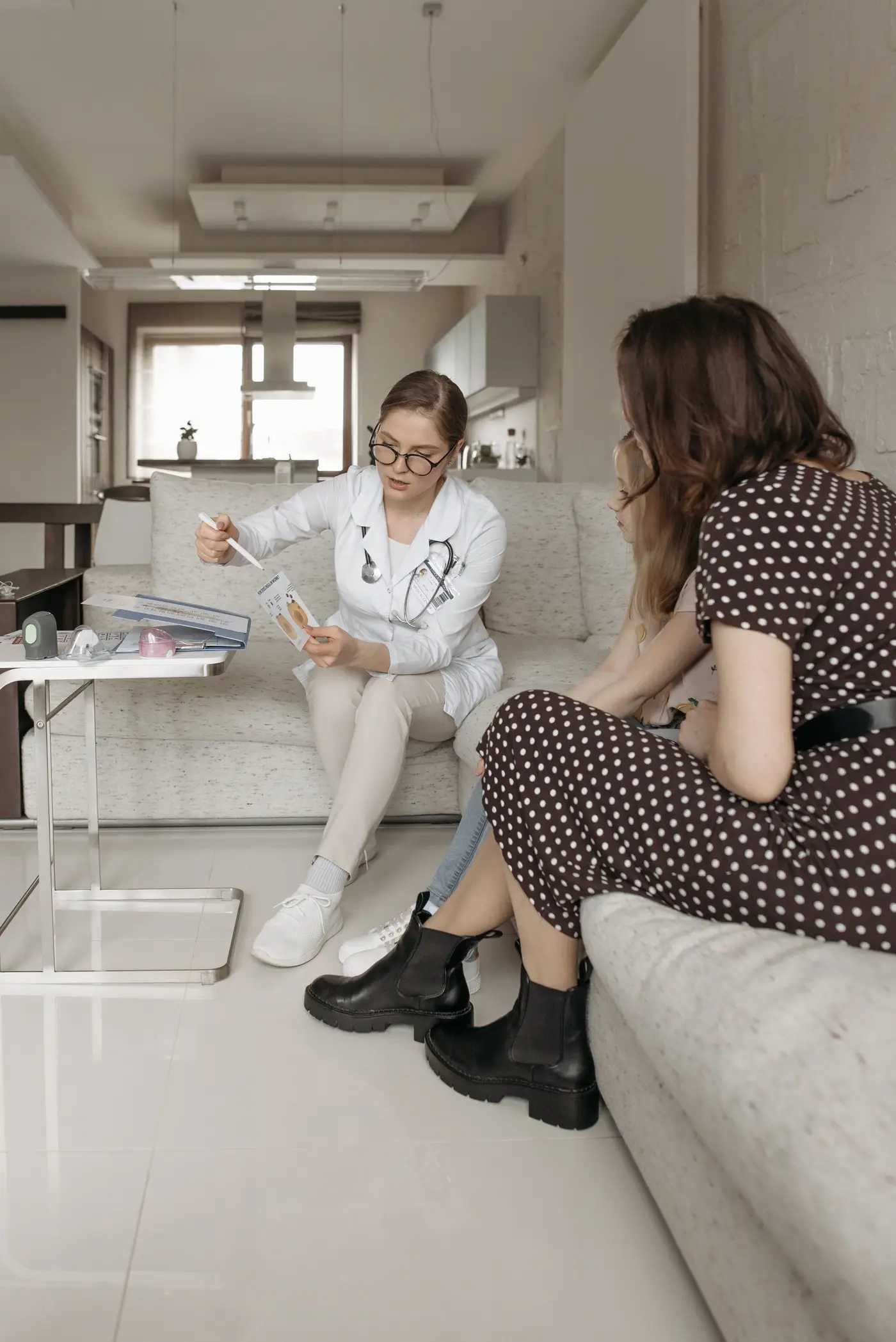
Early signs of lymphoedema include a feeling of heaviness, tightness or fullness in the arm, hand or breast, and rings, watches or sleeves feeling tighter than usual — often before swelling is easy to see.
Other signs to look out for:
- Visible swelling in the hand, fingers, forearm, upper arm, breast or chest wall.
- Aching, discomfort or reduced flexibility in the arm or shoulder.
- Skin that feels tight, thicker or harder than on the other side.
- A dent that stays for a while after pressing the swollen skin (called pitting).
- Swelling that is worse at the end of the day or in hot weather.
Report any of these to your breast care nurse, GP or treating team. Early lymphoedema responds better to treatment than swelling that has been present for a long time. Some swelling in the breast and armpit is normal in the first weeks after surgery and usually settles; your team can tell you whether what you notice is expected.
Sudden redness, warmth, pain and swelling, with or without fever, may be cellulitis — a skin infection. This needs prompt medical attention, usually the same day.
What are the stages of lymphoedema?
Lymphoedema is commonly described in four stages, from 0 to III, according to how much swelling there is and whether the tissues have become permanently firmer.
- Stage 0 (latent or subclinical) — no visible swelling, but lymph flow is already reduced; you may feel heaviness.
- Stage I — soft swelling that pits on pressure and often goes down with raising the arm.
- Stage II — swelling that does not settle with elevation; tissues start to become firmer as fat and fibrous tissue build up.
- Stage III — marked swelling with hard, thickened skin and skin changes; rare after modern breast cancer treatment.
Staging helps guide treatment. In earlier stages, the swelling is mostly fluid, which compression and drainage can move. In later stages, much of the extra volume can be fat and fibrous tissue, which is why some long-standing cases need different approaches.
How is lymphoedema diagnosed?
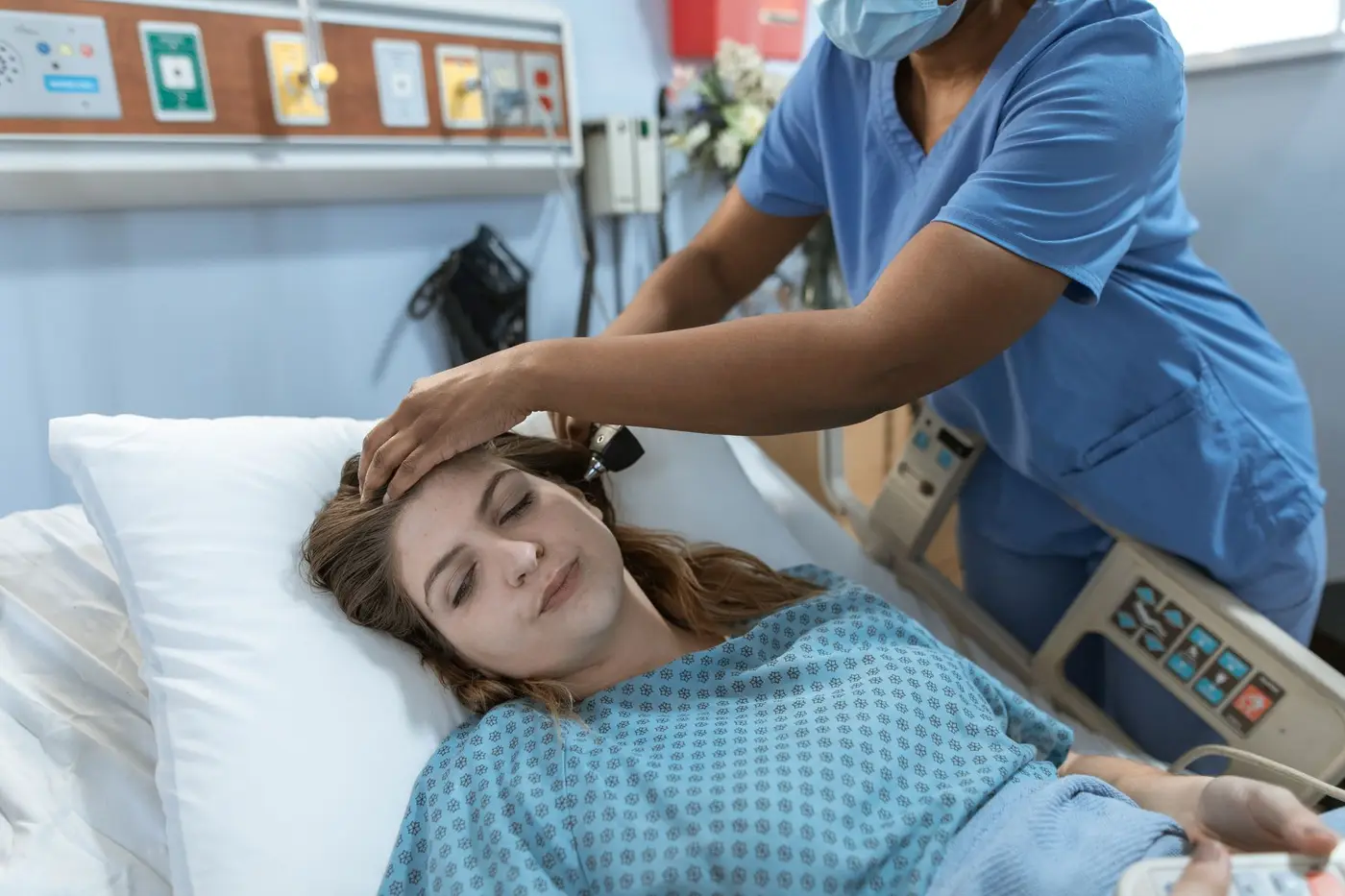
Lymphoedema is usually diagnosed from your symptoms, an examination and measurements comparing the volume of the affected arm with the other arm.
Common methods include:
- Tape measurements at set points along both arms, used to calculate volume.
- Perometry or water displacement — more precise volume measurements available in some clinics.
- Bioimpedance spectroscopy — a painless test that passes a tiny electrical current through the arm to detect extra fluid, sometimes before swelling is visible.
- Imaging — such as lymphoscintigraphy or indocyanine green (ICG) lymphography, mainly used at specialist centres or when surgery is being considered.
A difference in arm volume of around 5–10% or more, together with symptoms, often points to lymphoedema. Some centres measure the arms before surgery so later changes can be detected early. Your doctor will also make sure the swelling is not caused by something else, such as a blood clot or cancer returning in the armpit.
How is lymphoedema treated?
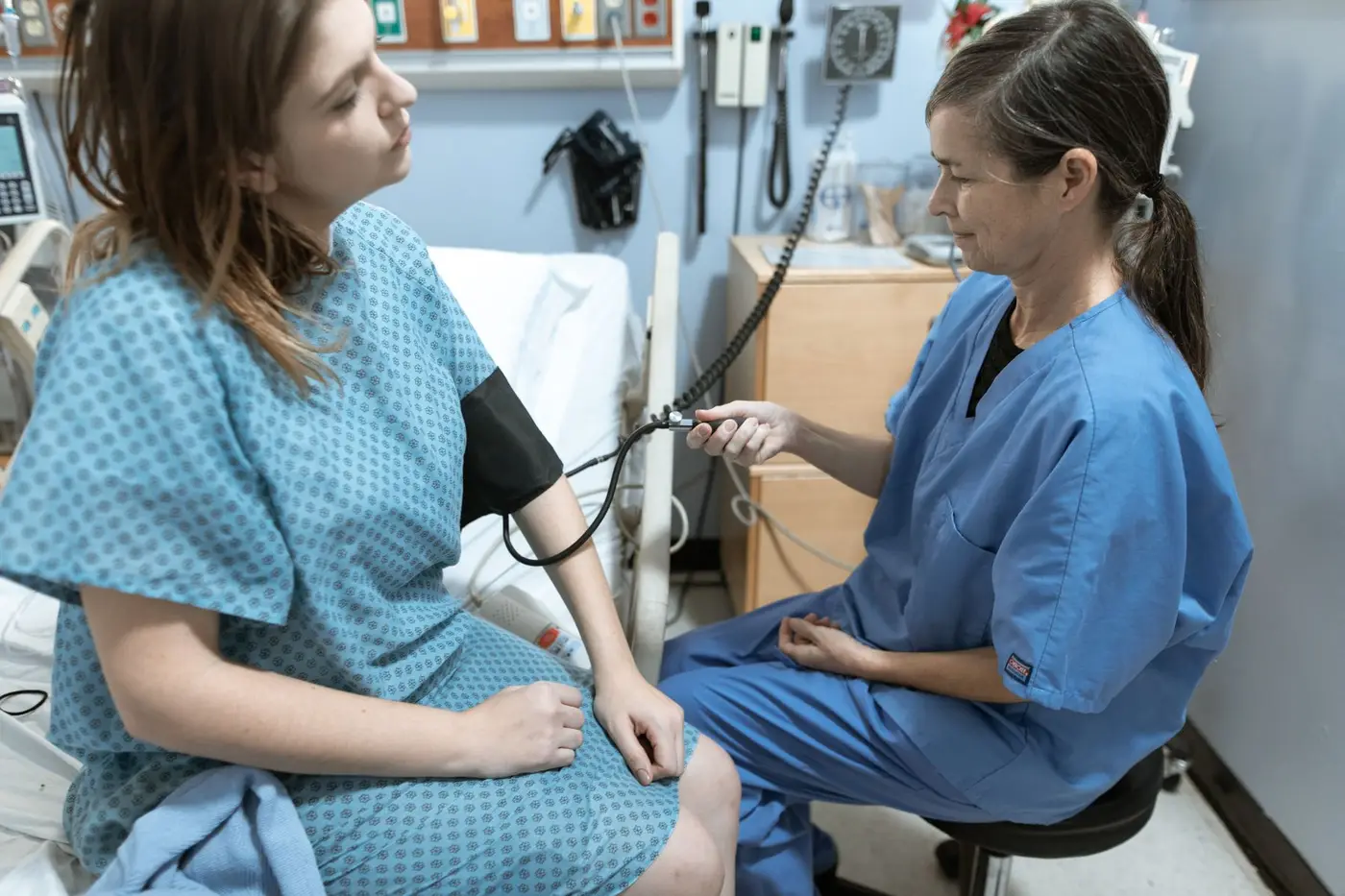
The standard treatment for lymphoedema is complete decongestive therapy, which combines compression, specialised massage, exercise and skin care, delivered by a trained lymphoedema therapist.
Complete decongestive therapy
It has two phases: an intensive phase, often lasting a few weeks with multilayer bandaging to reduce the swelling, followed by a maintenance phase that you continue at home to keep the swelling down.
Compression garments
Made-to-measure or ready-made sleeves and gloves are the mainstay of long-term control. They should be fitted by a professional, worn during the day and replaced every few months as they lose elasticity.
Manual lymphatic drainage
A gentle massage technique that encourages fluid towards working lymph vessels. Therapists can also teach a simpler version, called simple lymphatic drainage, to do yourself.
Exercise
Regular movement helps the muscles pump lymph. Gradually progressed, supervised strength training has been shown in studies not to worsen lymphoedema and may improve symptoms.
Weight
Being overweight increases the risk and severity of lymphoedema. Gradual weight loss, where needed, can reduce swelling.

How can I prevent cellulitis and flare-ups?
Good daily skin care is the most important way to prevent cellulitis, because even small breaks in the skin of a swollen arm can let bacteria in.
- Moisturise the skin daily to stop it cracking.
- Wear gloves for gardening, washing up and cleaning.
- Treat cuts, scratches, insect bites and burns promptly with antiseptic.
- Use an electric razor rather than a blade for the armpit.
- Protect the arm from sunburn.
- Keep active, and keep your weight in a healthy range.
If you have had cellulitis before, your doctor may give you a supply of antibiotics to keep at home, especially when travelling, and some people who have repeated episodes are offered preventive antibiotics. Each episode can damage lymph vessels further, so early treatment matters.

Are there surgical options for lymphoedema?
Yes — at specialist centres, some people with lymphoedema that does not respond well enough to conservative treatment may be offered surgery, carried out by specialist lymphatic or microsurgeons.
The main operations are:
- Lymphaticovenous anastomosis (LVA) — very small lymph vessels are connected to nearby tiny veins using a microscope, giving fluid a new drainage route. It is usually considered for earlier stages, when lymph vessels still work.
- Vascularised lymph node transfer (VLNT) — healthy lymph nodes with their own blood supply are moved from another part of the body to the affected area. At some centres this is combined with a DIEP flap breast reconstruction.
- Liposuction for lymphoedema — removes the excess fat that builds up in long-standing, fat-dominant swelling. Lifelong compression is needed afterwards to maintain the result.
Results vary. Surgery may reduce swelling, the need for compression or the frequency of infections, but it does not usually cure lymphoedema, and most people still need some compression. Careful selection and specialist imaging are important. Preventive techniques performed at the time of node surgery are also being studied. Ask your lymphoedema team whether referral to a specialist lymphatic surgery centre is appropriate for you.
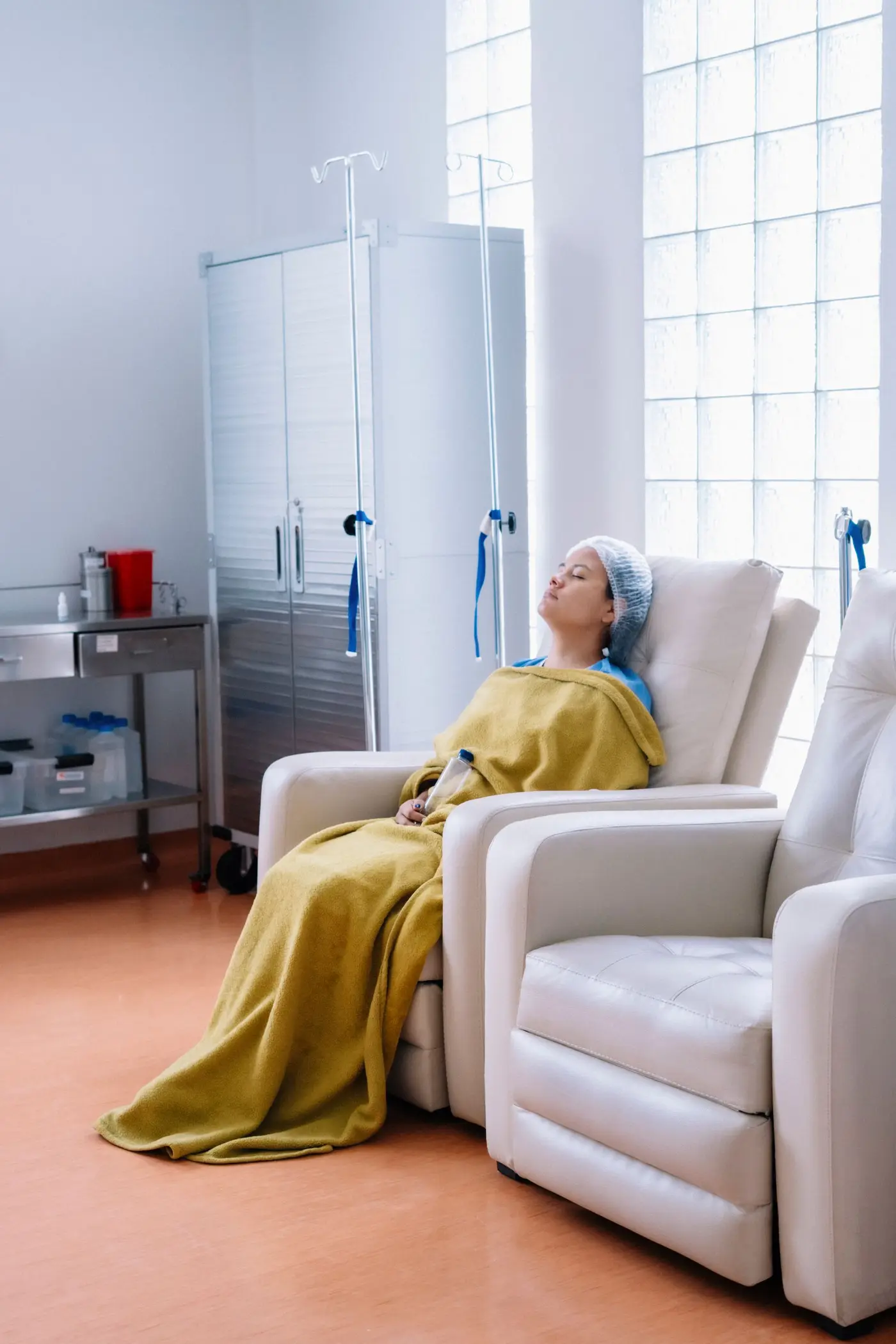
Can I have blood pressure taken or needles in my affected arm?
Current advice is cautious rather than absolute: where there is a choice, many teams suggest using the other arm for blood tests, injections and blood pressure readings, but there is little good evidence that these procedures cause lymphoedema.
Some common beliefs, and what is known today:
- Blood pressure and needles — if your other arm cannot be used, or both sides were treated, medical procedures in the affected arm are generally considered acceptable. If you already have lymphoedema, it is reasonable to ask for the unaffected arm.
- Lifting and exercise — avoiding all use of the arm is no longer advised. Gradually increasing strength exercise appears safe and helpful.
- Flying — air travel has not been shown to trigger lymphoedema in most people. If you already have it, wear your sleeve as advised and move your arm during the flight.
- Heat — saunas, hot tubs and sunburn may worsen swelling in some people; see how your arm responds.
Advice differs between countries and teams, so follow the guidance from your own lymphoedema service.

Where breast reconstruction fits in
Breast reconstruction does not usually cause or worsen arm lymphoedema, and having lymphoedema does not by itself rule out reconstruction.
Planning, however, should take it into account. Swelling of the breast or chest wall, scarring from radiotherapy, and the condition of the skin all influence which technique is suitable. Reconstruction using your own tissue, such as a DIEP flap, brings healthy, well-supplied tissue into the chest; as mentioned above, some specialist centres combine it with lymph node transfer for selected patients.
Dr. Fatih Kılıç is a plastic and reconstructive surgeon; he does not diagnose or treat cancer, and lymphatic surgery for lymphoedema is a separate specialist field. His role is to advise on breast reconstruction, including delayed reconstruction, in coordination with your oncology and lymphoedema teams. Living without reconstruction, with or without an external prosthesis, is also a perfectly valid choice.

Sharing your records for a reconstruction opinion
If you live abroad and have lymphoedema or are worried about it, you can share your surgical, pathology and radiotherapy reports with Dr. Fatih Kılıç for an opinion on breast reconstruction options. Lymphoedema assessment and therapy remain with your own team and lymphoedema service at home, and any reconstruction plan is coordinated with them. Read more on our international patients page or contact us.

Frequently asked questions
What does lymphoedema feel like?
Many people first notice heaviness, tightness or aching in the arm or hand, or that rings and sleeves feel tighter. Visible swelling may follow. The skin can feel tight or firmer than on the other side.
How long after breast cancer surgery can lymphoedema start?
Lymphoedema can start within weeks of surgery, but it often appears months or years later. Most cases develop within the first two to three years. The risk does not completely disappear, so it is worth staying aware of changes.
Does sentinel node biopsy cause lymphoedema?
It can, but the risk is much lower than after a full axillary lymph node dissection. Studies suggest around 3–8% of women develop arm lymphoedema after sentinel node biopsy alone. Radiotherapy to the nodes adds to the risk.
Can lymphoedema go away on its own?
Mild swelling in the first weeks after surgery often settles by itself. Established lymphoedema usually does not go away completely, but with treatment such as compression and exercise it can often be well controlled. Early treatment tends to work best.
Is lymphedema the same as lymphoedema?
Yes. Lymphedema is the American spelling and lymphoedema is the British spelling of the same condition. Both describe swelling caused by poor lymph drainage.
Is exercise safe with lymphoedema?
Yes, for most people. Studies show that gradually increasing, supervised strength training does not worsen lymphoedema and may improve symptoms. Your therapist may advise wearing your compression sleeve while exercising.
Should I avoid blood pressure checks on my affected arm?
Many teams suggest using the other arm when there is a choice, especially if you already have lymphoedema. However, there is little good evidence that blood pressure checks or blood tests cause lymphoedema. If your other arm cannot be used, procedures in the affected arm are generally considered acceptable.
What is complete decongestive therapy?
Complete decongestive therapy is the standard treatment for lymphoedema. It combines compression bandaging or garments, manual lymphatic drainage, exercise and skin care. It starts with an intensive phase and continues as a home maintenance programme.
Can lymphoedema be treated with surgery?
At specialist centres, selected patients may be offered lymphaticovenous anastomosis, vascularised lymph node transfer or liposuction for long-standing swelling. These operations can reduce swelling but rarely cure it, and most people still need some compression afterwards.
What should I do if my swollen arm becomes red and hot?
Sudden redness, warmth, pain and increased swelling, sometimes with fever, may be cellulitis. Contact a doctor promptly, usually the same day, because antibiotics are often needed. Seek urgent care if you feel very unwell.

Medically reviewed by Dr. Fatih Kılıç, Plastic, Reconstructive and Aesthetic Surgeon. This page is for general information and does not replace an individual consultation.